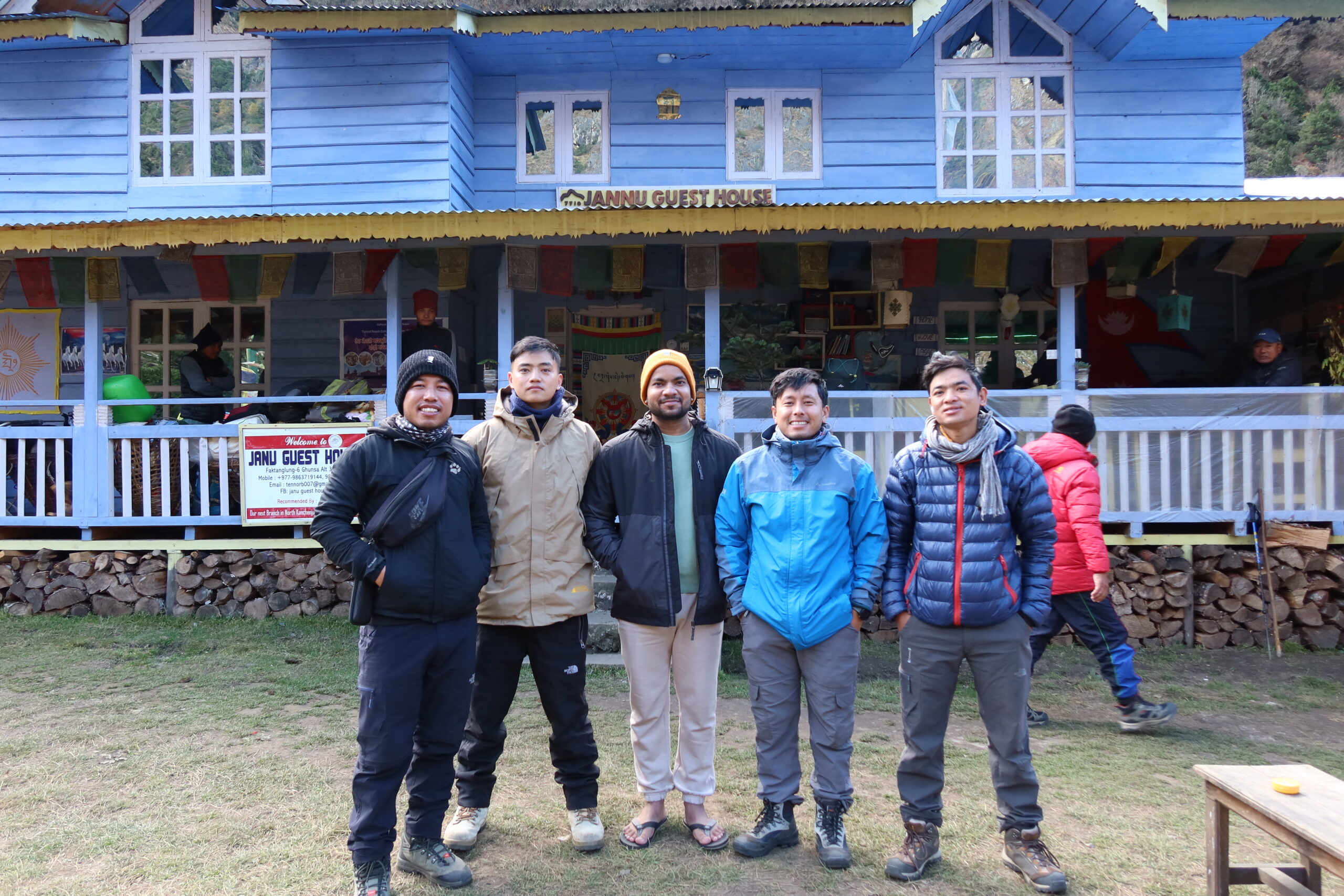
Trekking crew:
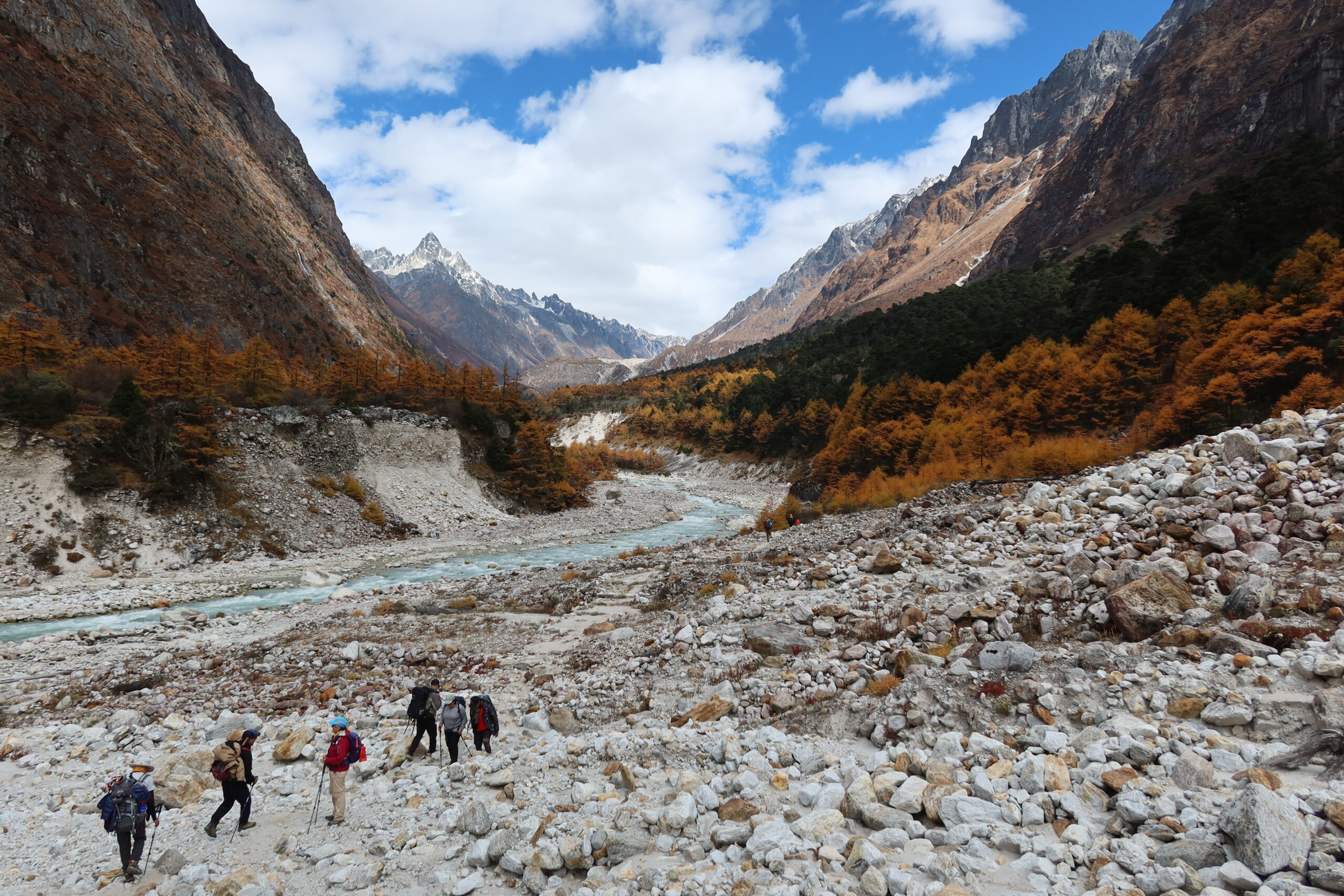
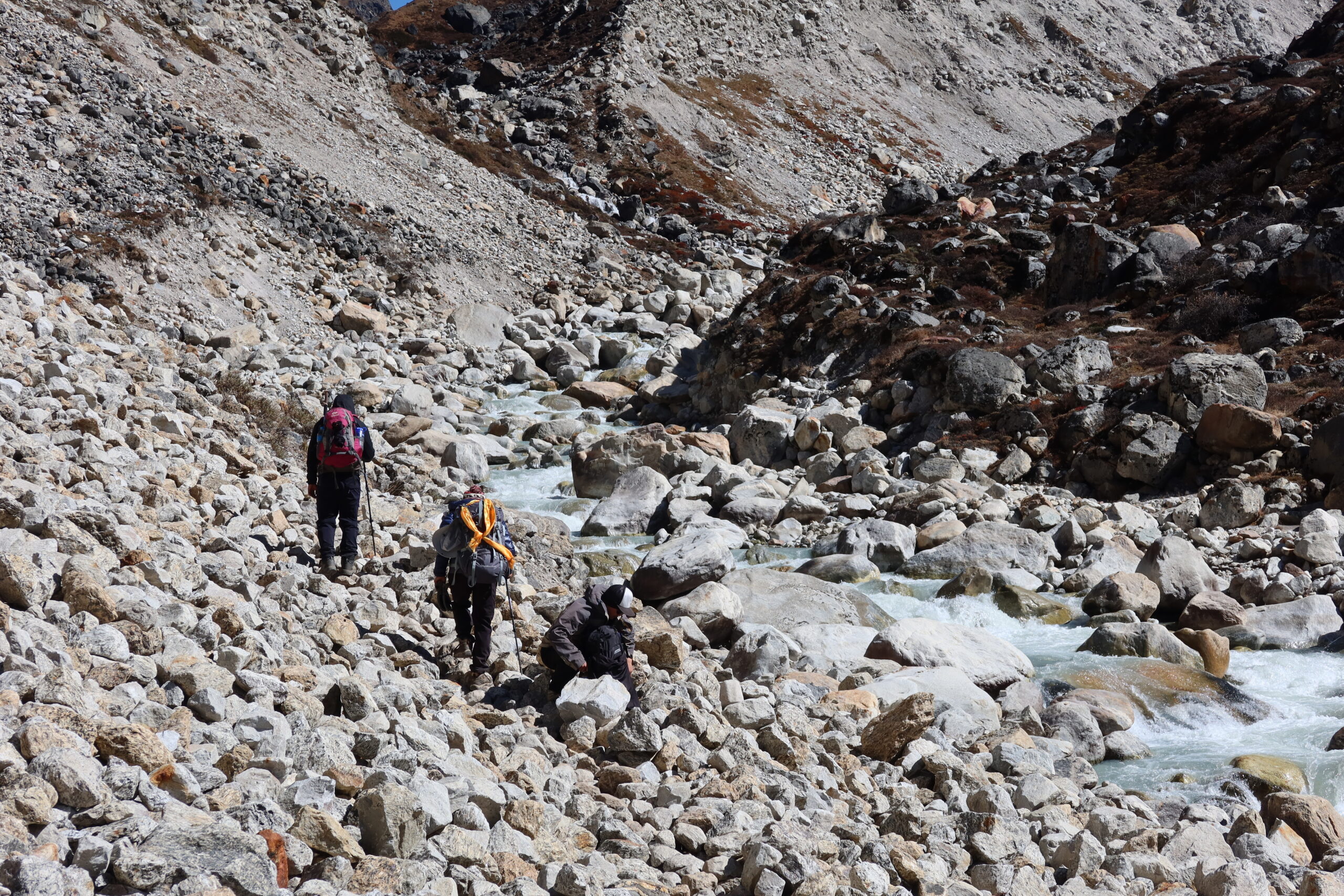
From Left in the Pic;
- Ashman Pun
- Sanjaya Prakash Bomjan
- Akash Vediya (India )
- Nima Shrestha
- Rajan Gurung
Brief Information Before We Started Our Actual Trek from Suketham
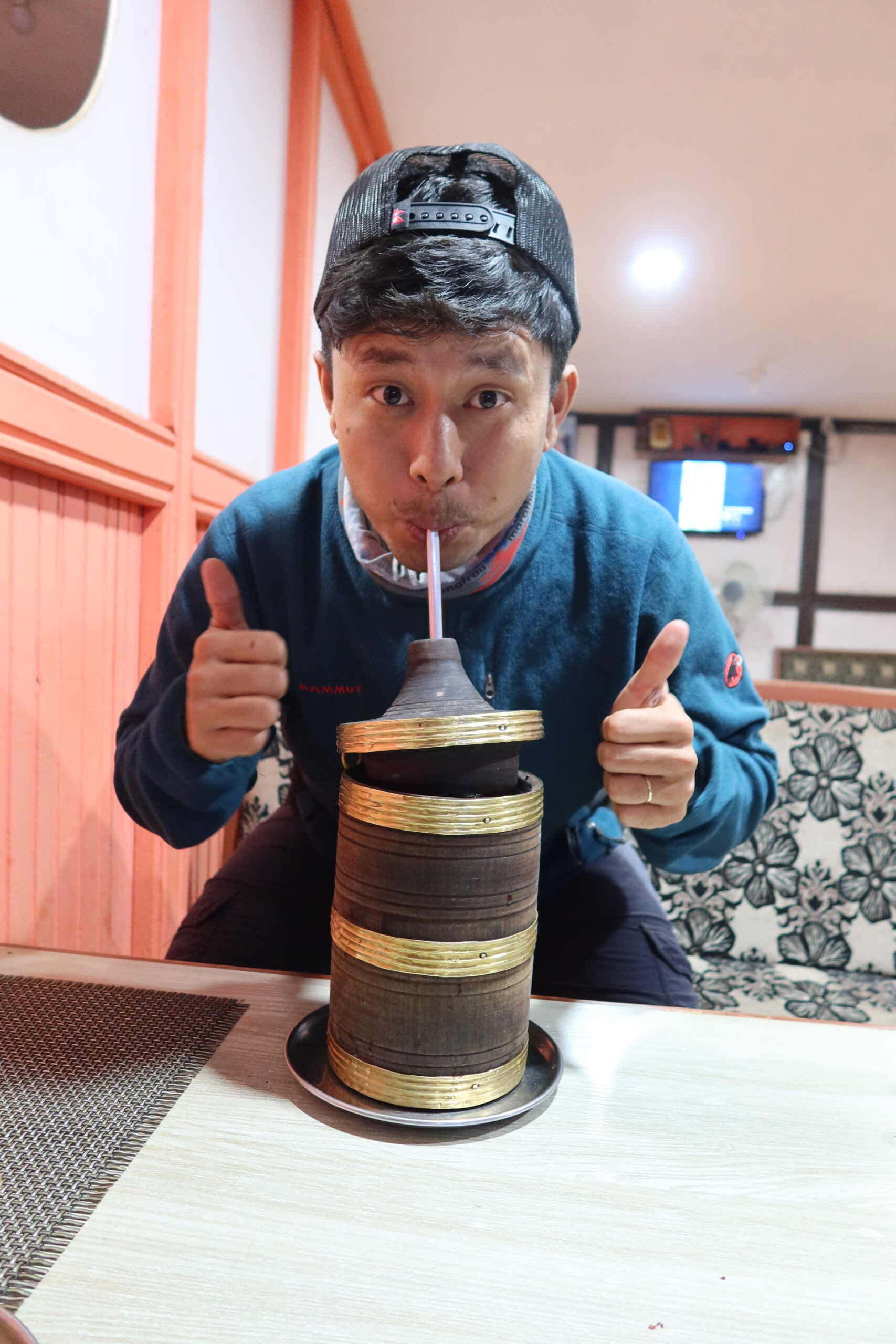
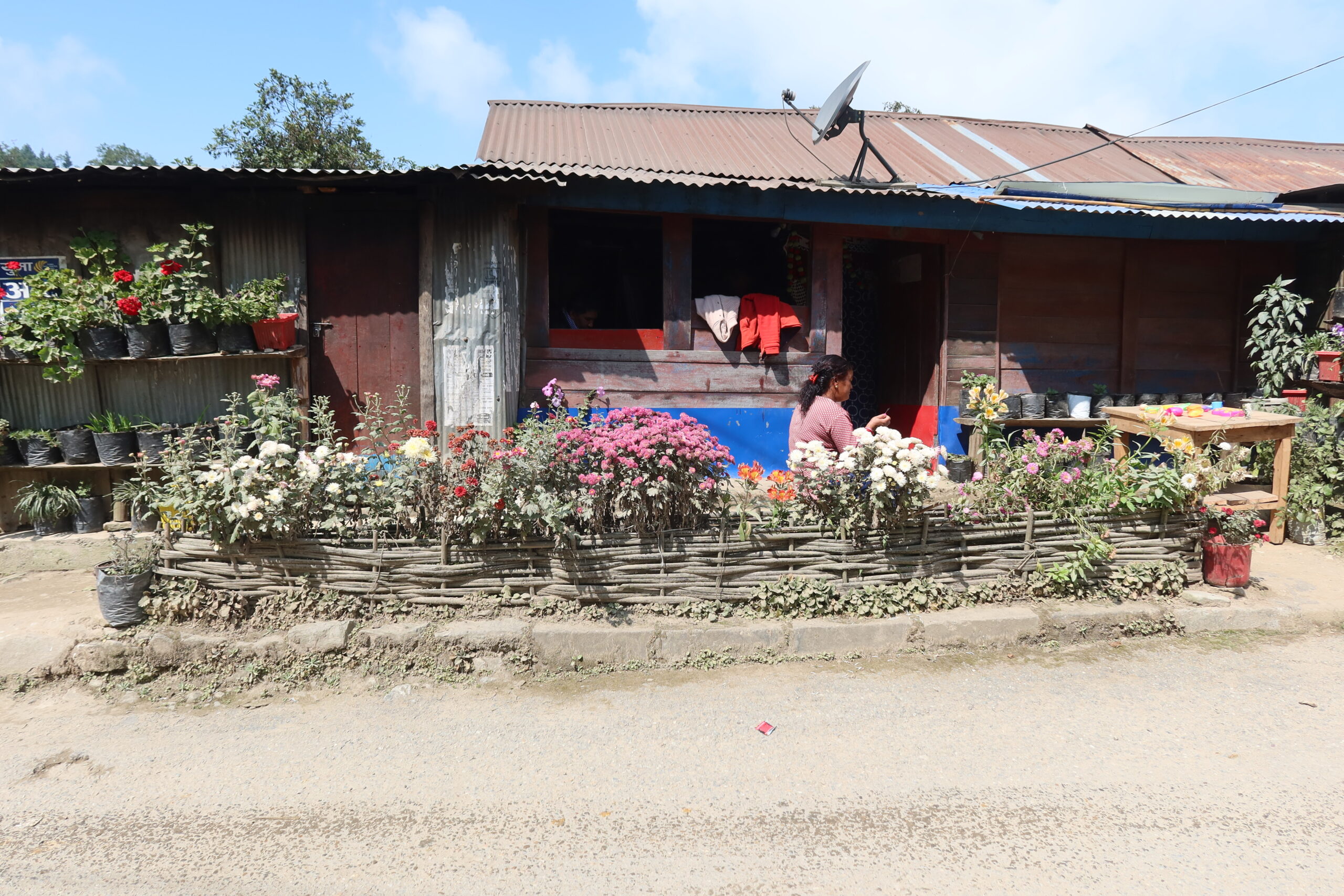
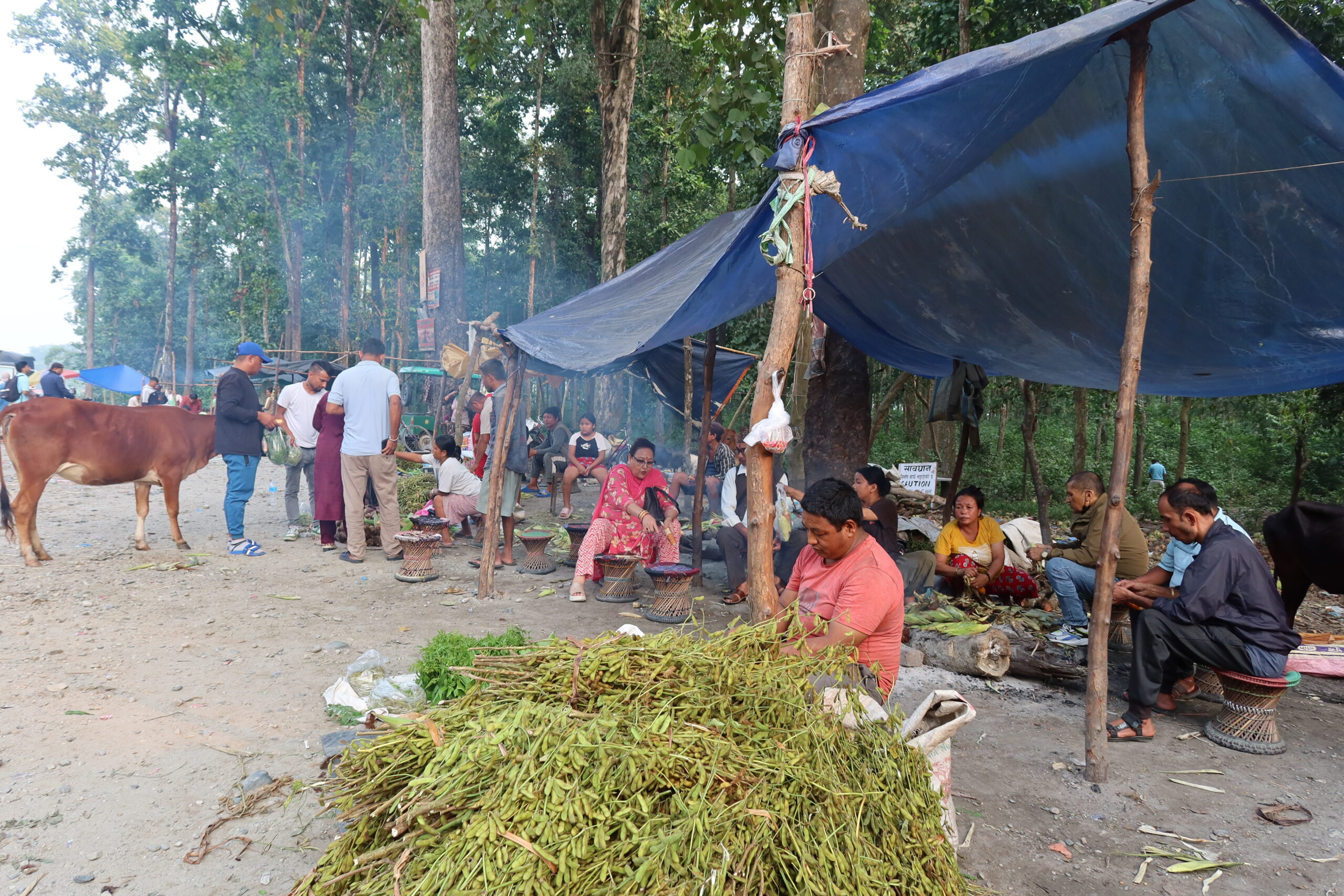
We started the first day of our trek on 19th October 2024, traveling from Kathmandu to Birtamod, which took us 11 hours to cover 429 km due to poor road conditions. There is also another option: a flight from Kathmandu to Chandragadhi Airport, Bhadrapur.After the long journey, we looked for a hotel to stay in and spent the night in Birtamod. Before starting the next day, we also issued a ticket from the local ticket counter to Taplejung, which was again via road transport, as flights are not available on this route.The next day, we started our journey very early and drove towards Taplejung. It took us another 8–9 hours to reach Taplejung. Taplejung is a nice, big city in the far eastern part of Nepal. The culture, people, and landscape here are totally different from what we see in Kathmandu. After reaching Taplejung, we walked around the city. Since it was a festive time of the year, the whole city had a cheerful environment. Lots of people were on the streets playing Langur Burja and other games. It was a really nice time there.The following day, we again drove from Taplejung to Suketham, another beautiful place from where we actually started our trek. It is a nice place with only two lodges in 2024. A beautiful couple was running the lodge where we stayed. The food was perfect. We had Tongba, and it was one of the best Tongbas I have had in my whole life.Tongba is a traditional, warm, millet-based fermented alcoholic beverage from the eastern Himalayas (Nepal, Sikkim, Darjeeling), specifically popular among the Limbu community. Often called “Tibetan hot beer” or “millet beer,” it is prepared by pouring hot water over fermented millet in a bamboo container and sipping it through a bamboo straw.
Brief Description of the Whole Trek
Personally, for me, this trek was very special, especially because I did it with my very close friends.Kanchanjunga — the name itself sounds very appealing to me. I always had a thought in my mind that I would do this trek very soon in my life. I wanted to explore the eastern part of Nepal and share it with all my friends around the world in the coming days. I had been really looking forward to organizing a trek in this part of Nepal, and before bringing people here, surveying the place was very important to me. Here is the report of my trek to Kanchanjunga.Kanchanjunga is a long and strenuous trek that demands good physical condition.
Landscape
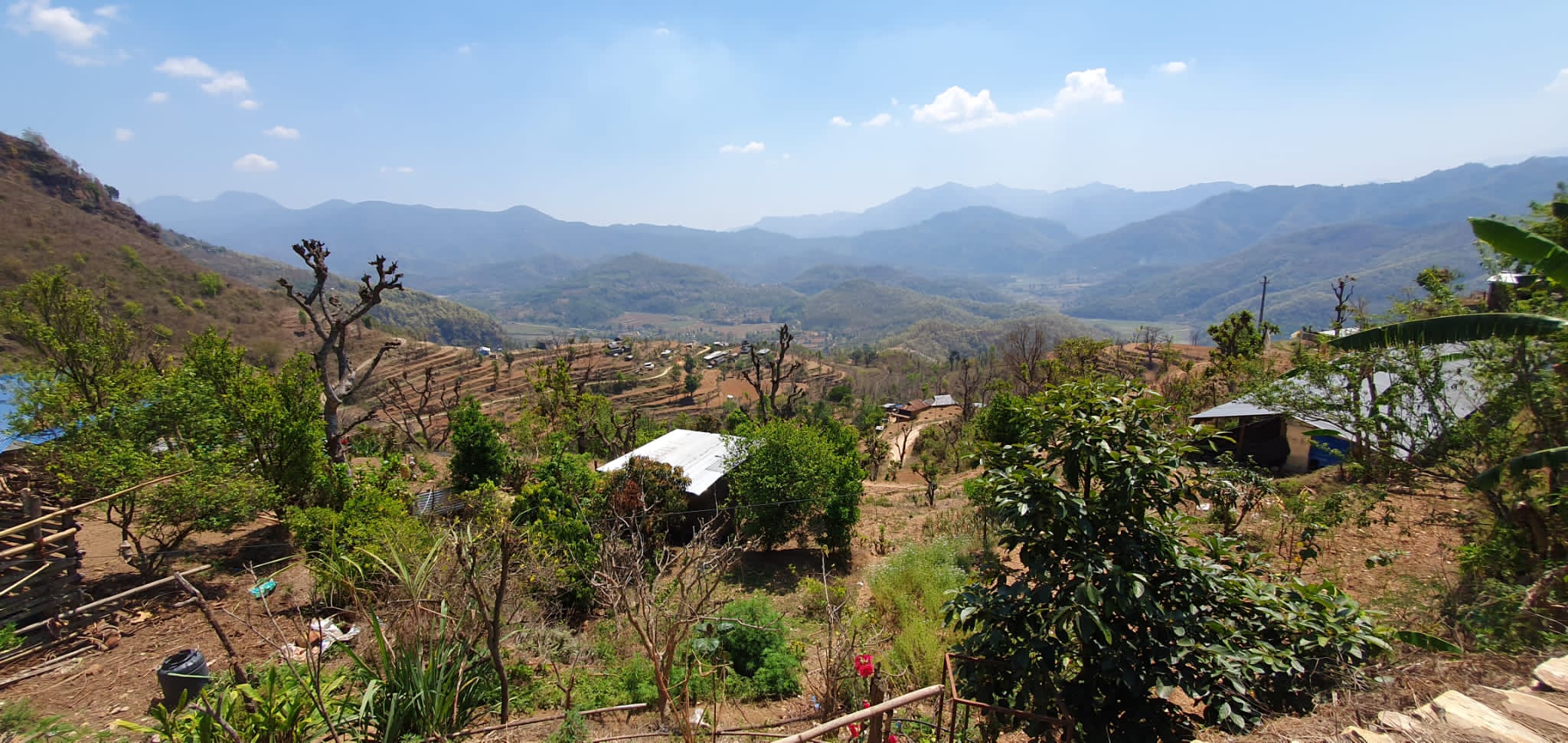
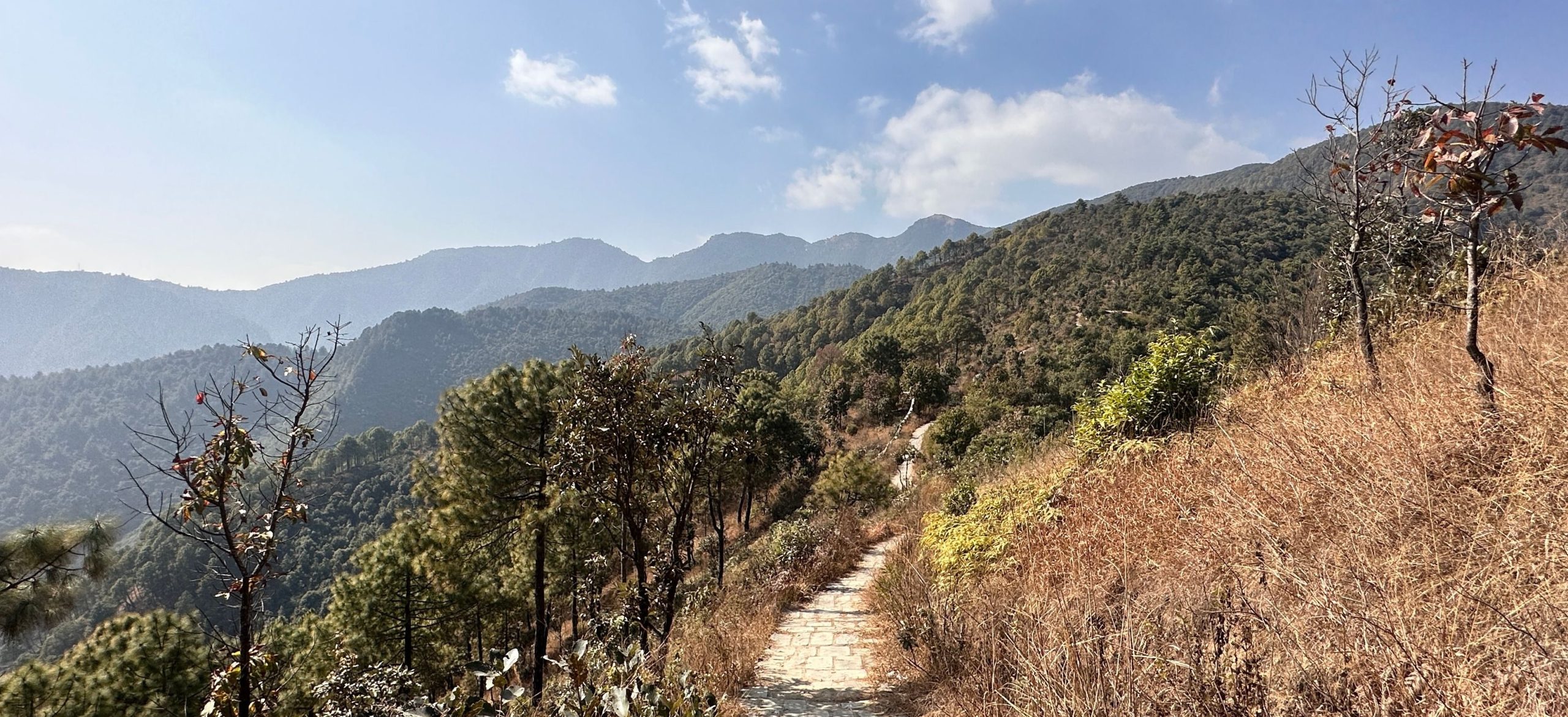
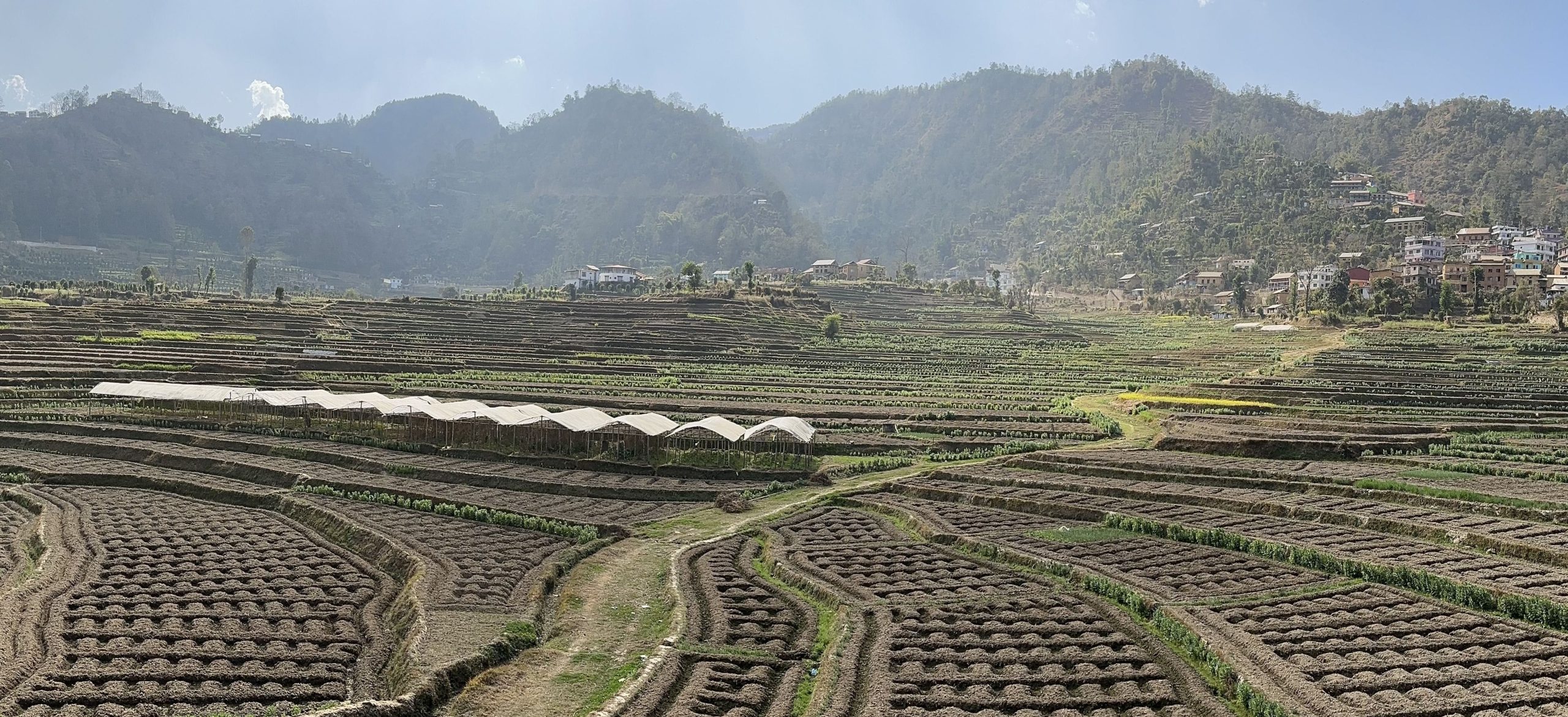
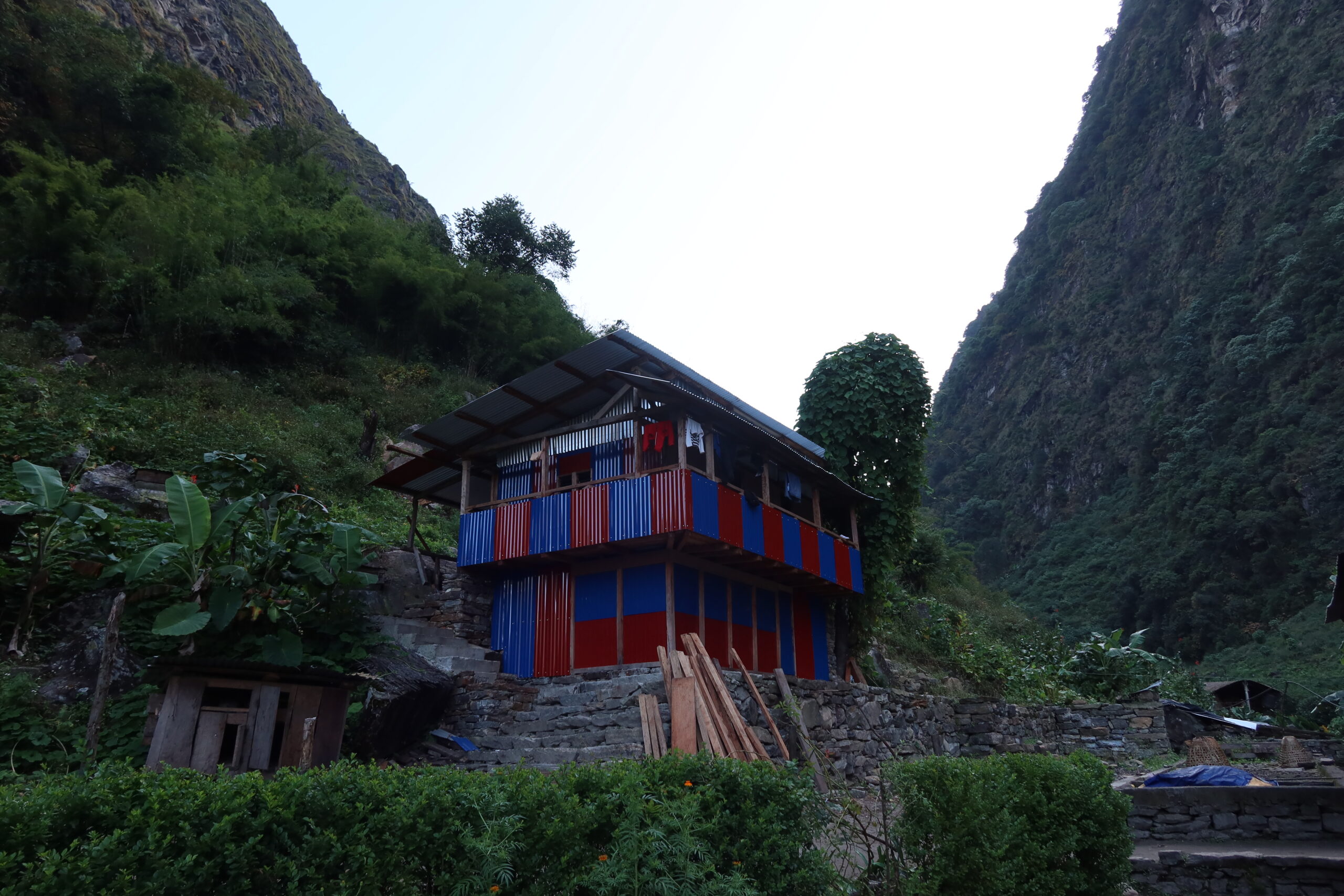
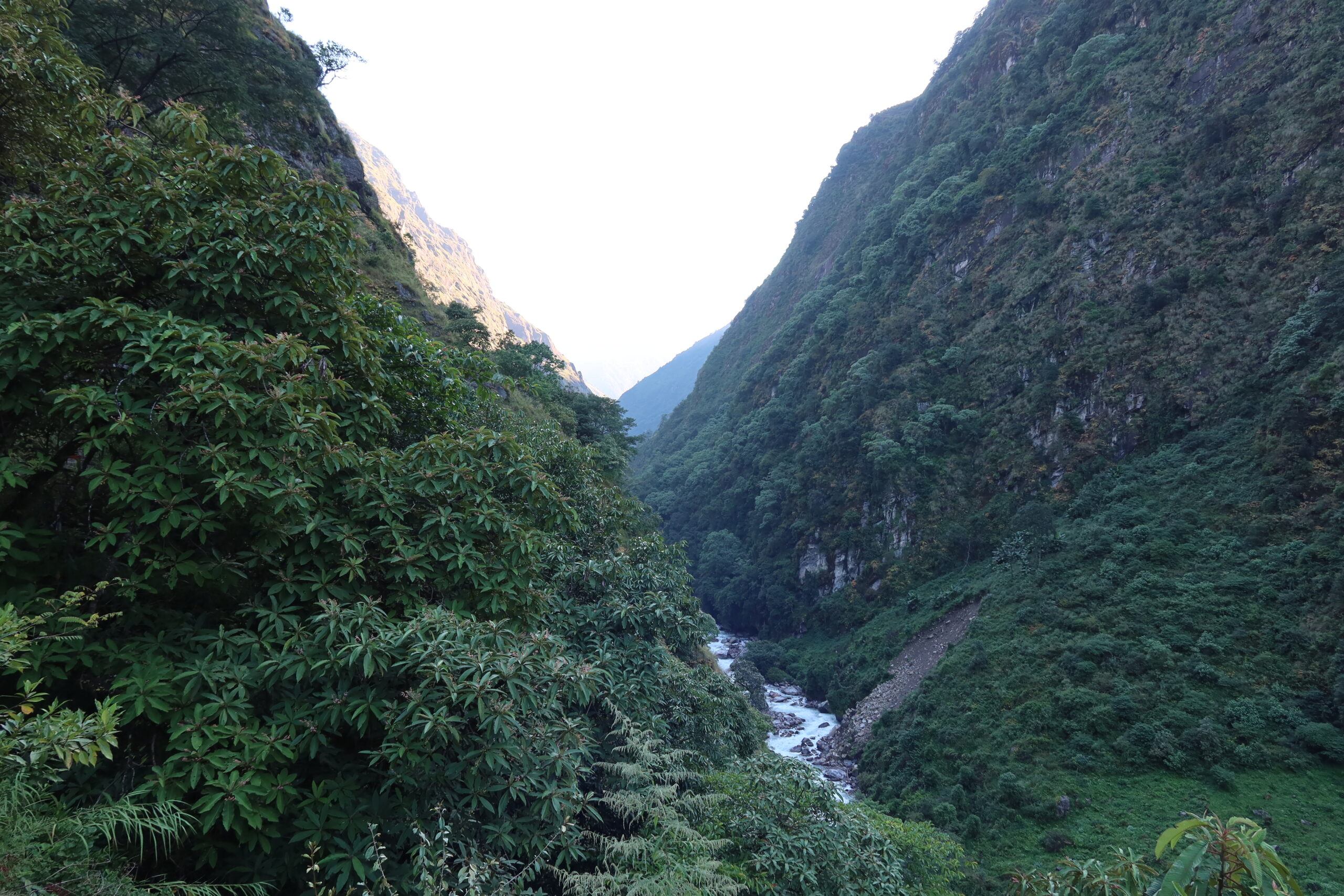
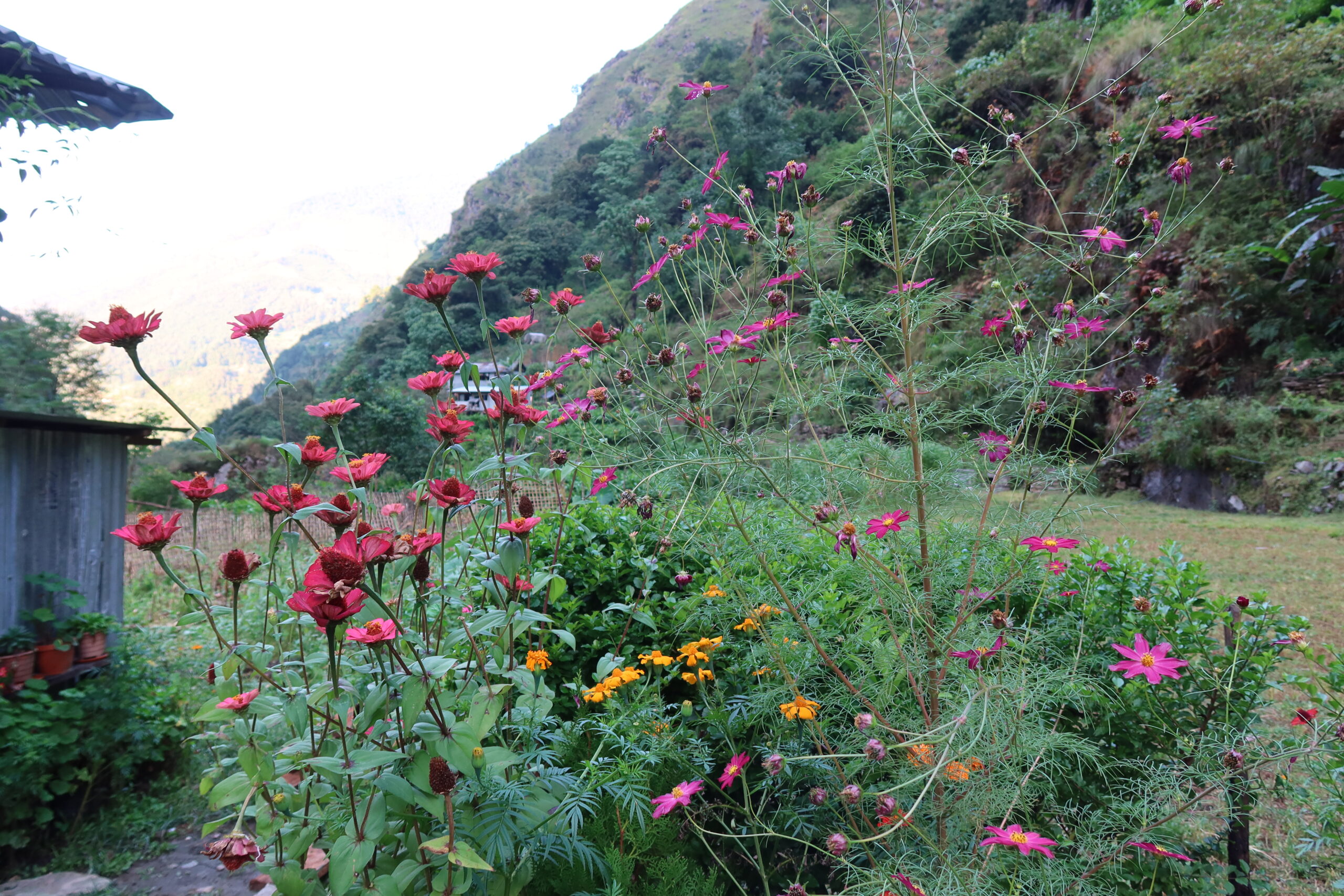
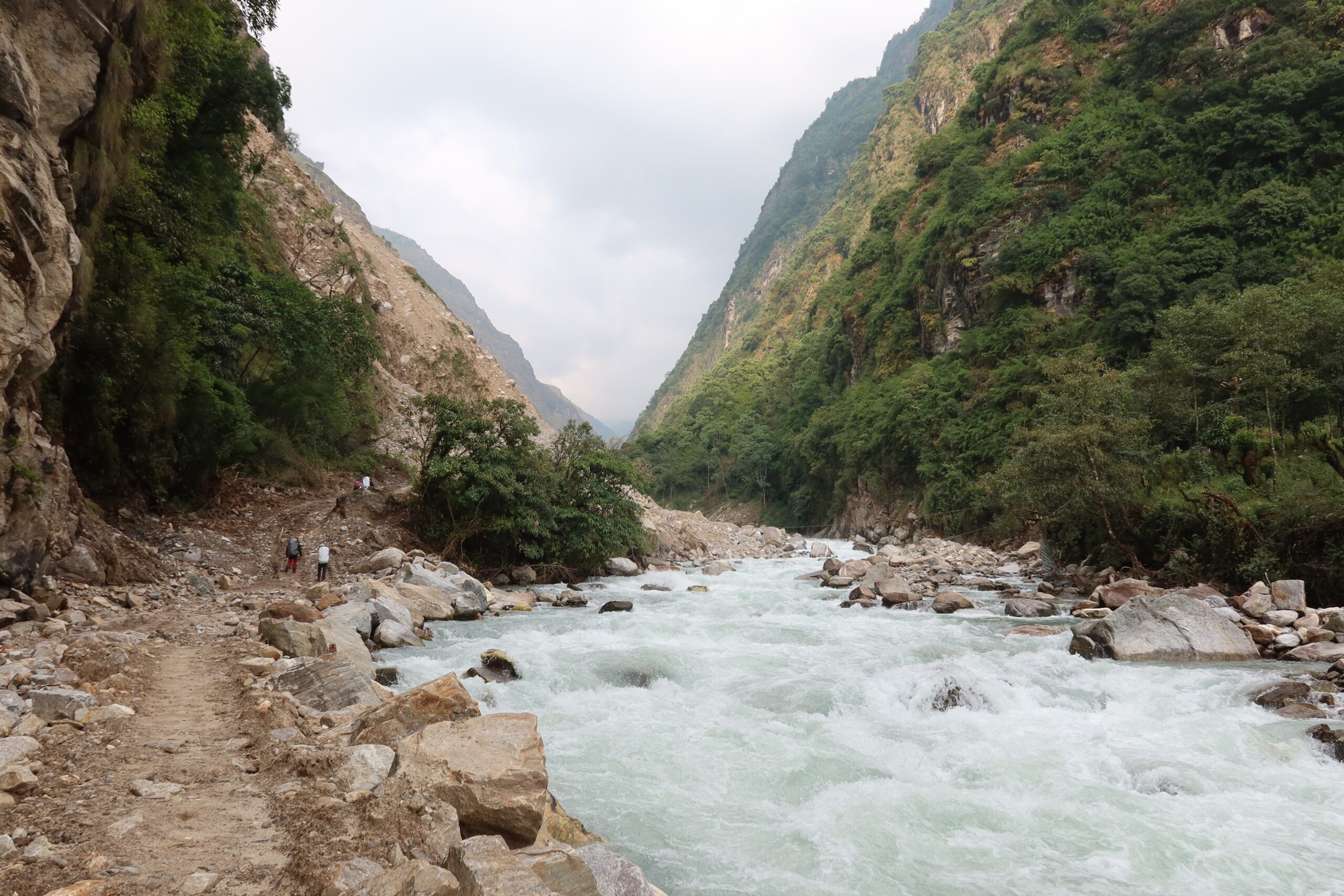
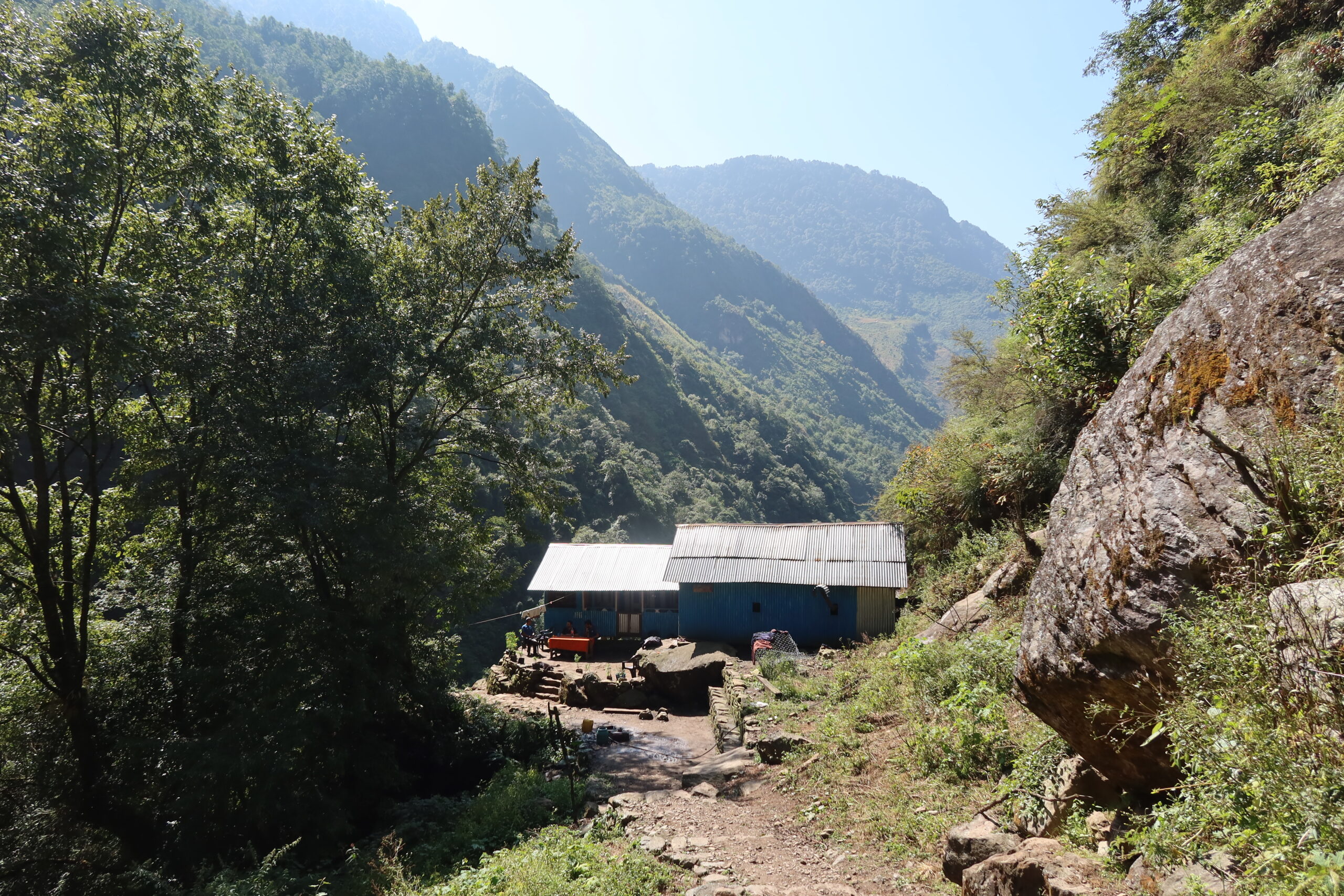
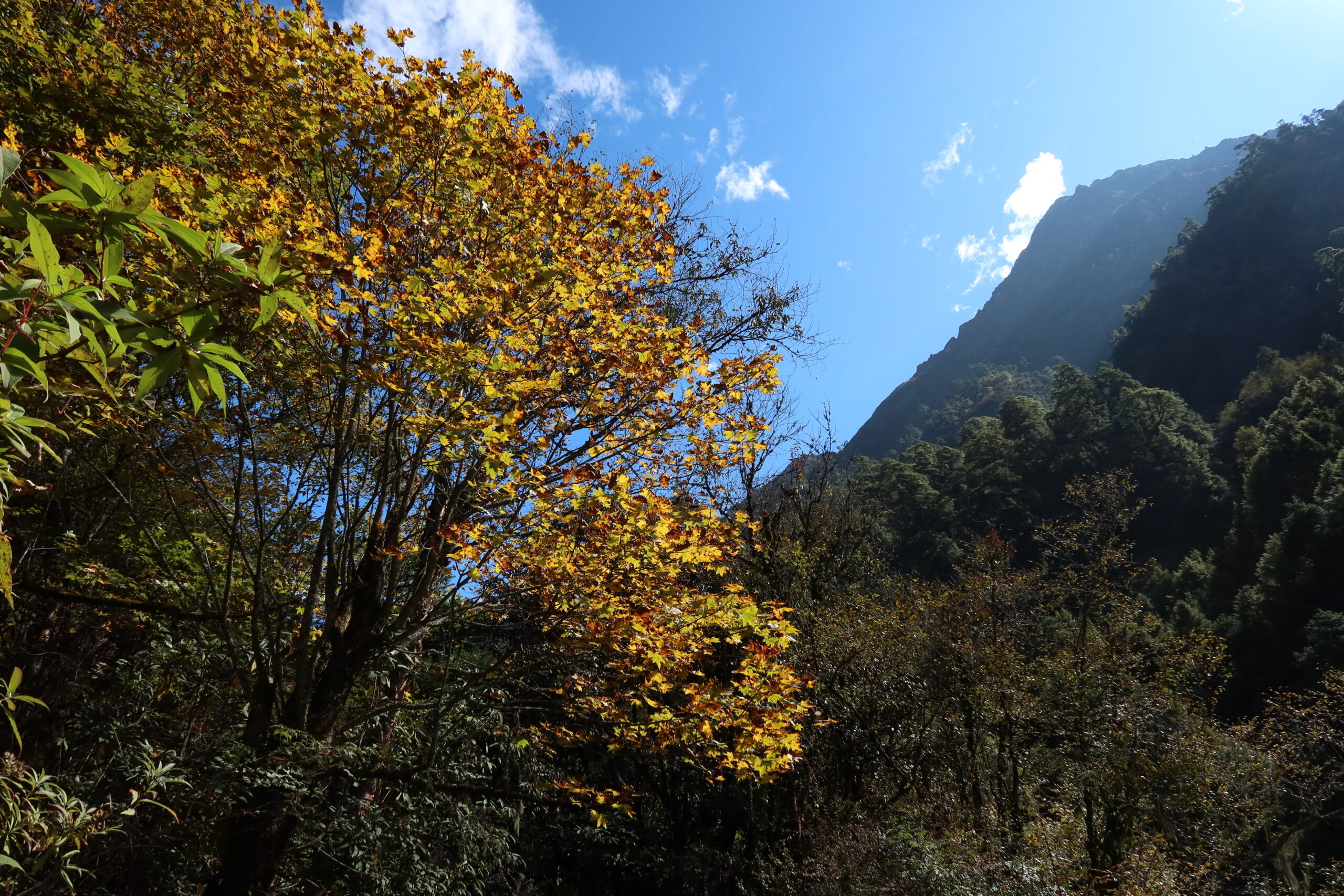
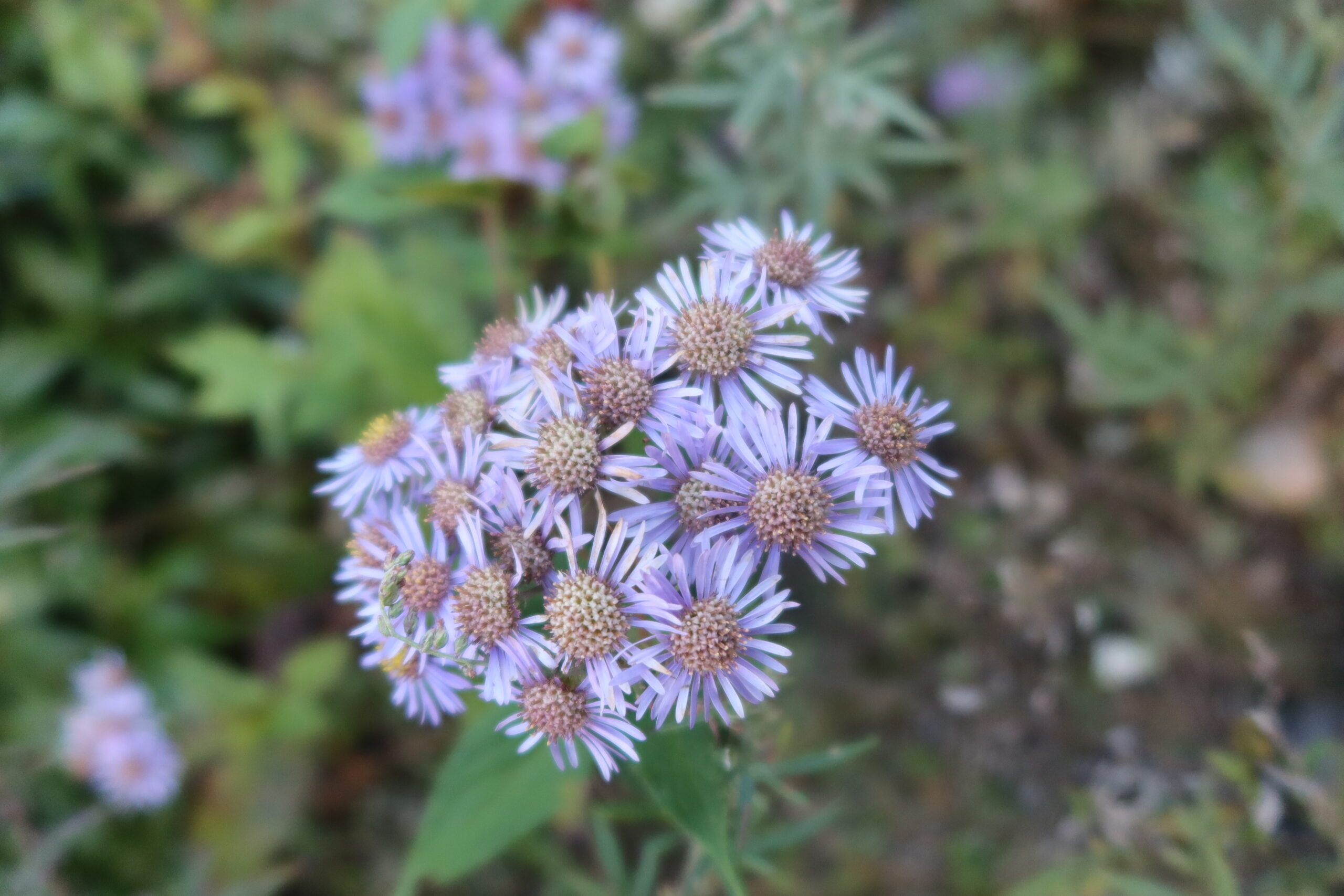
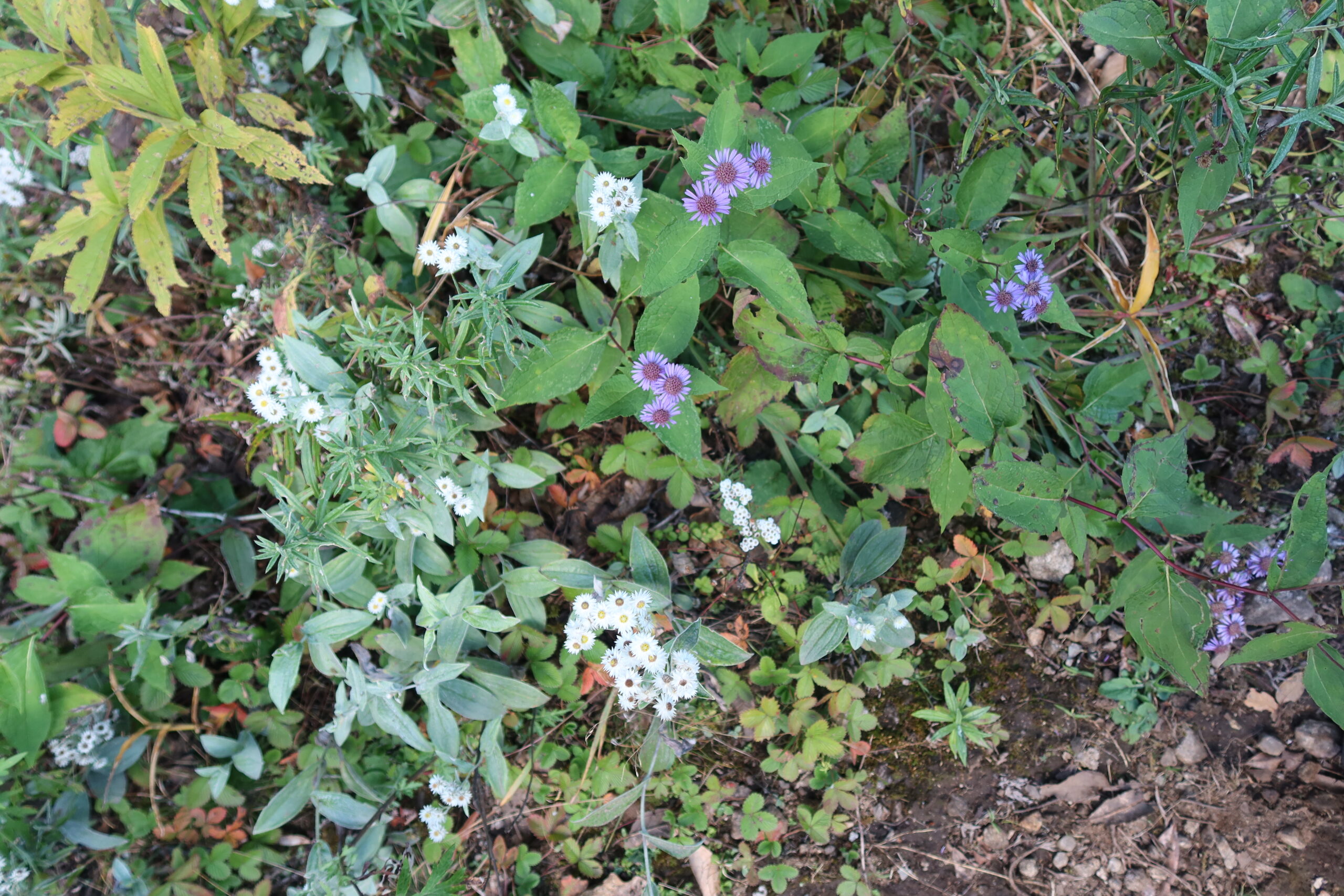
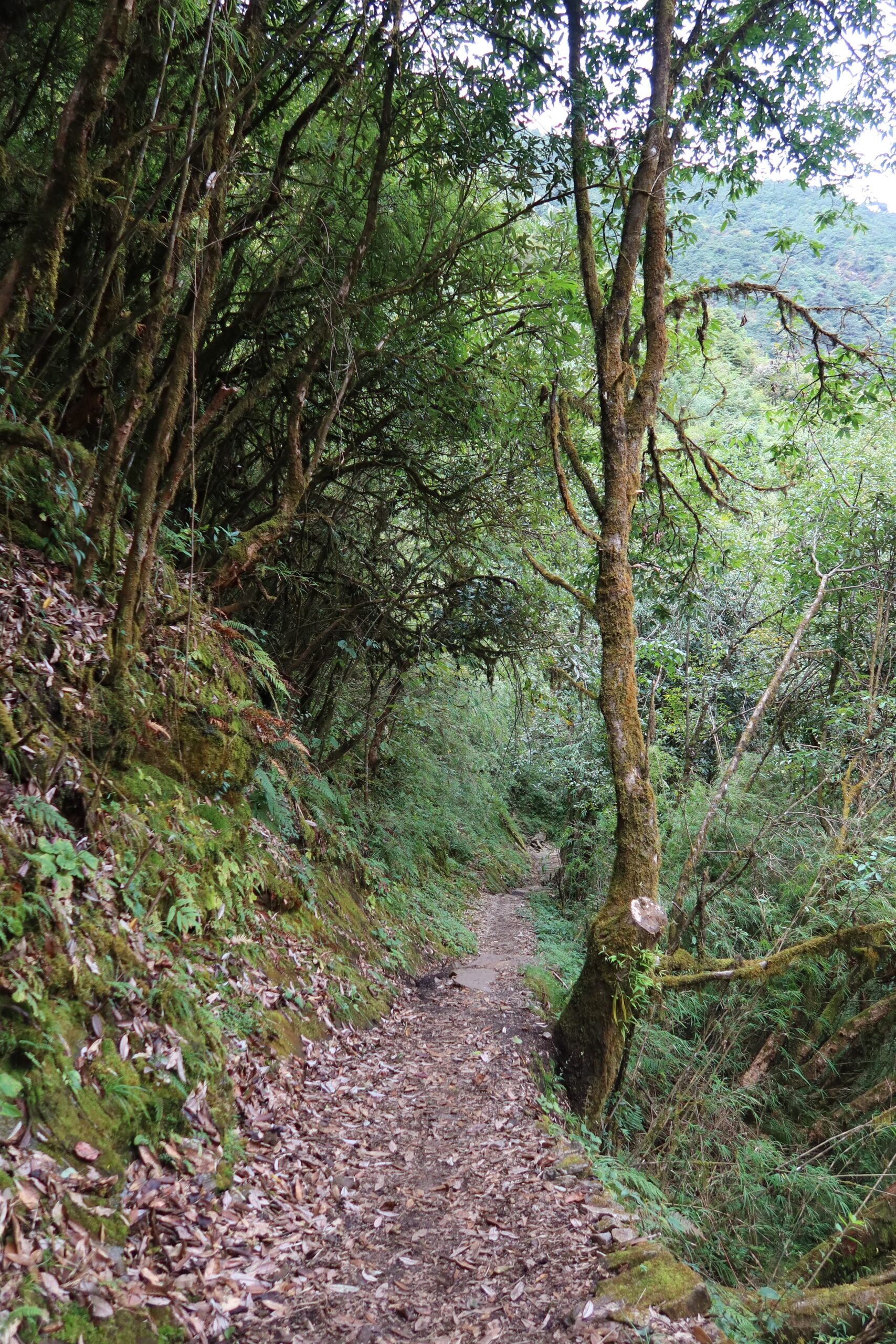
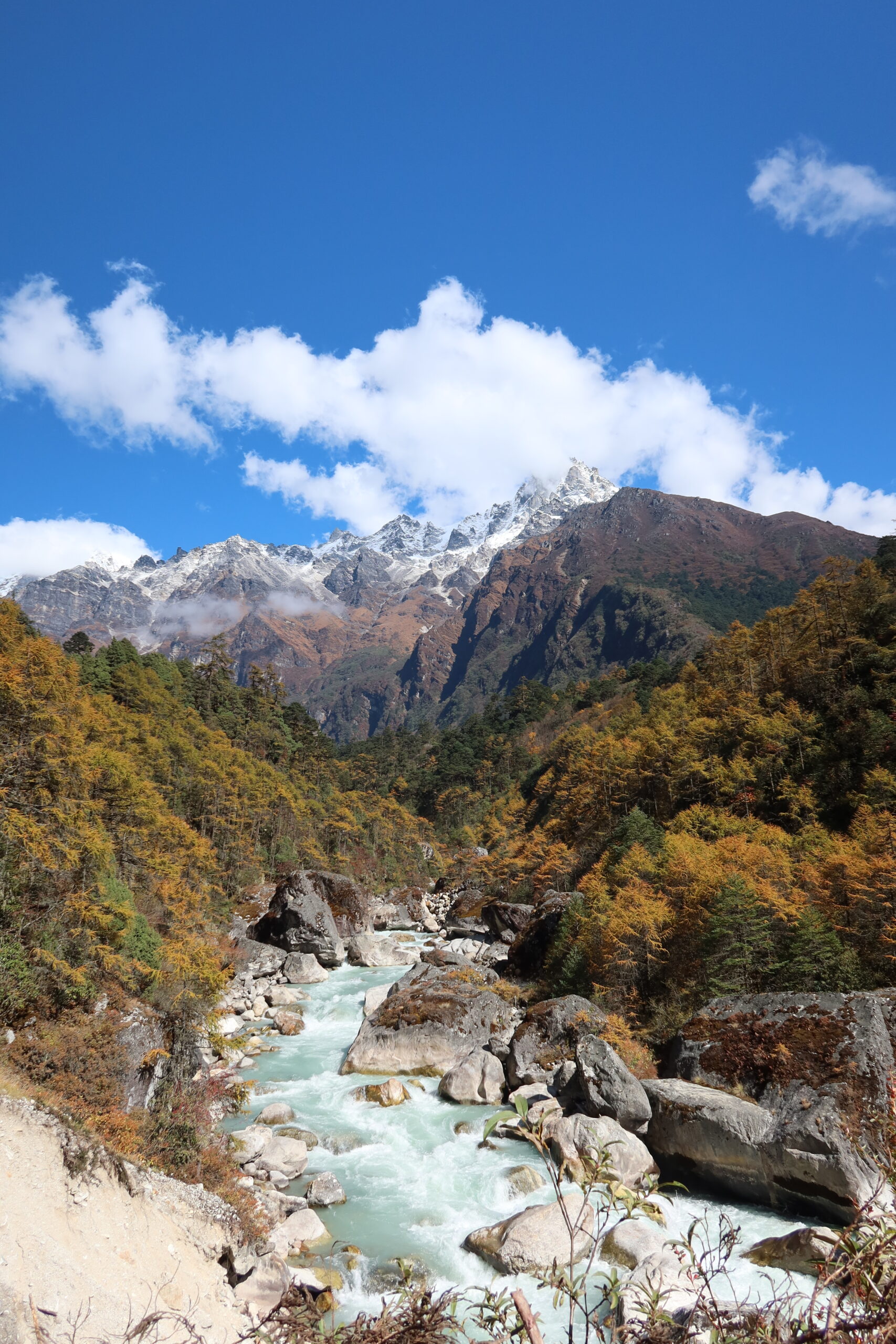
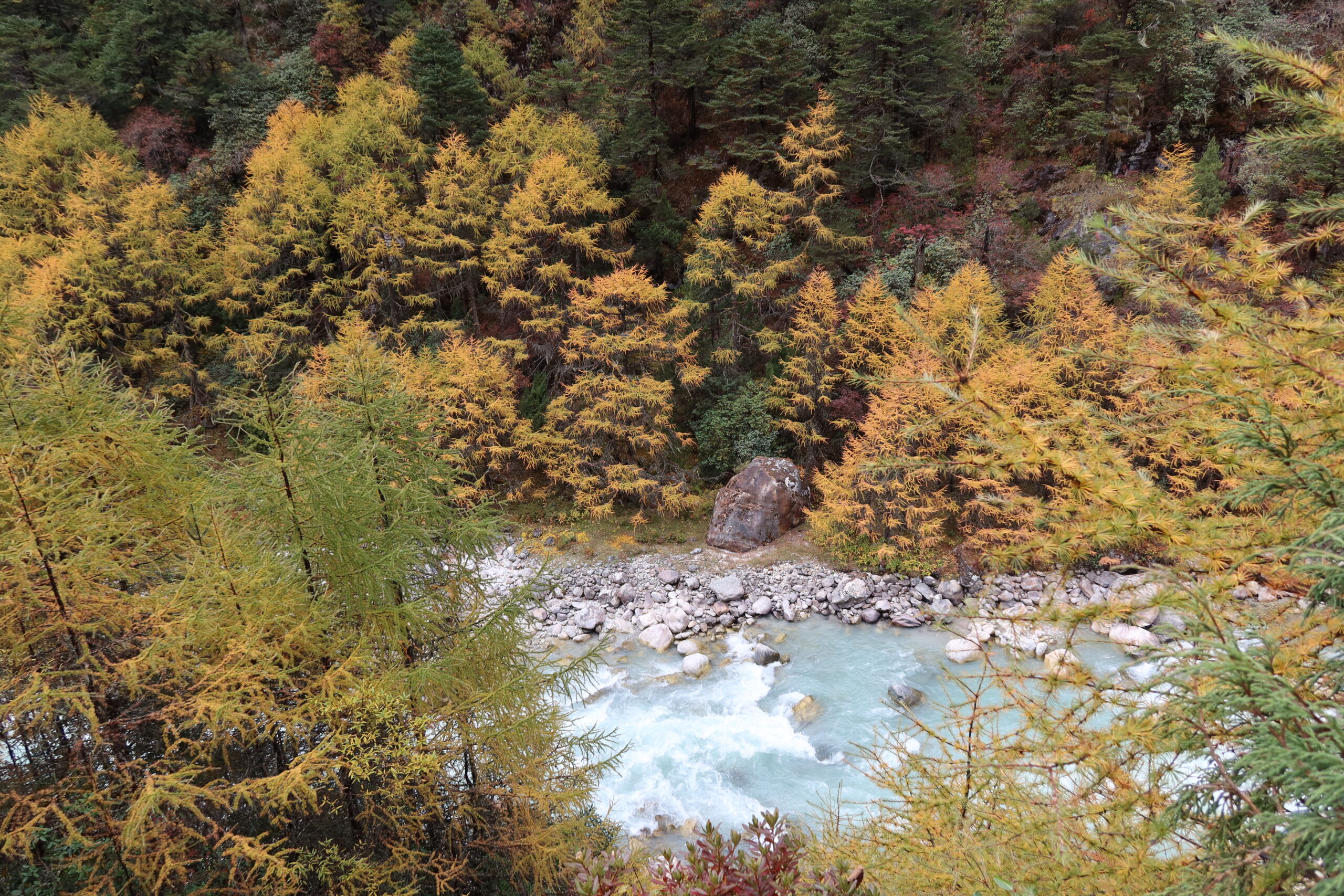
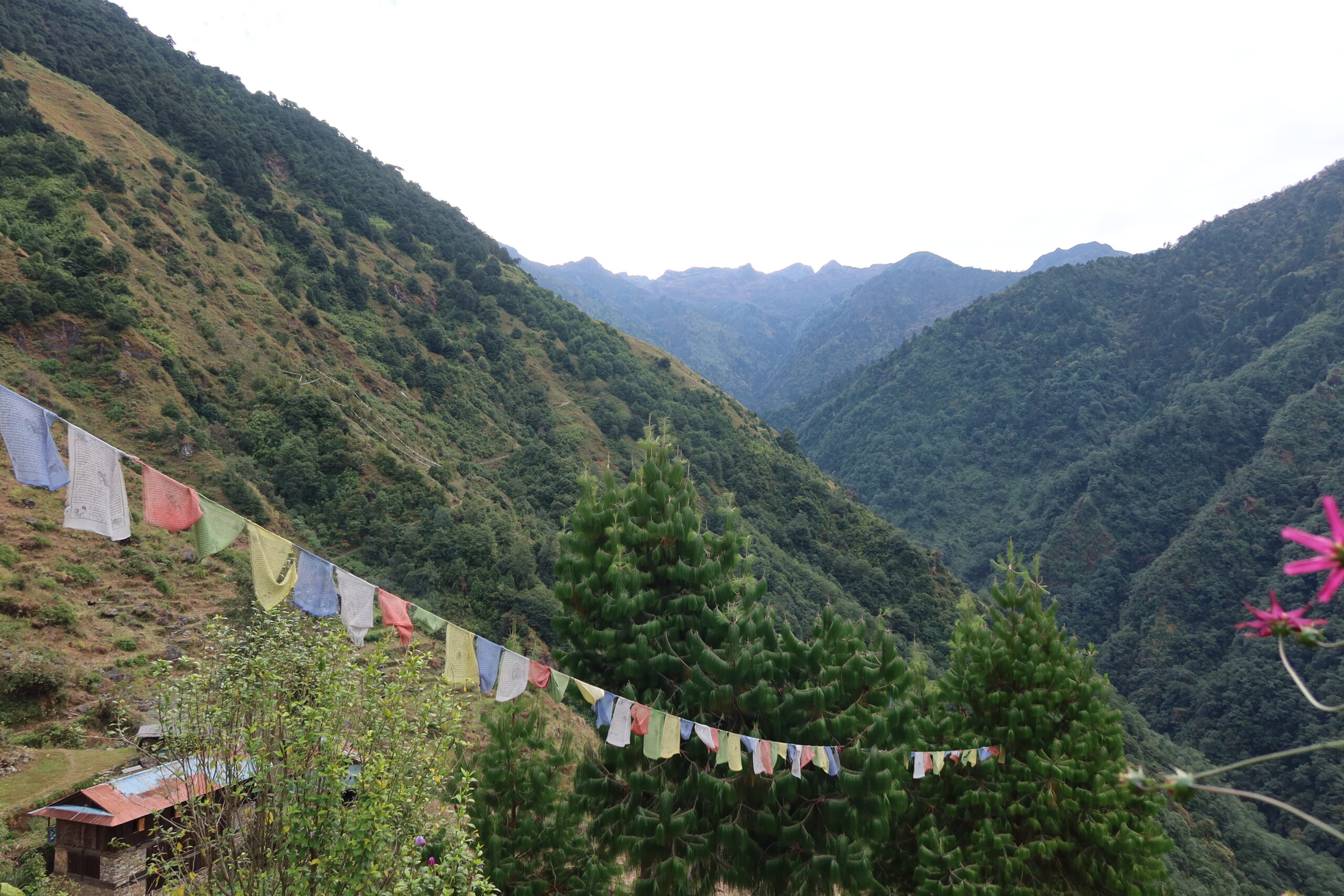
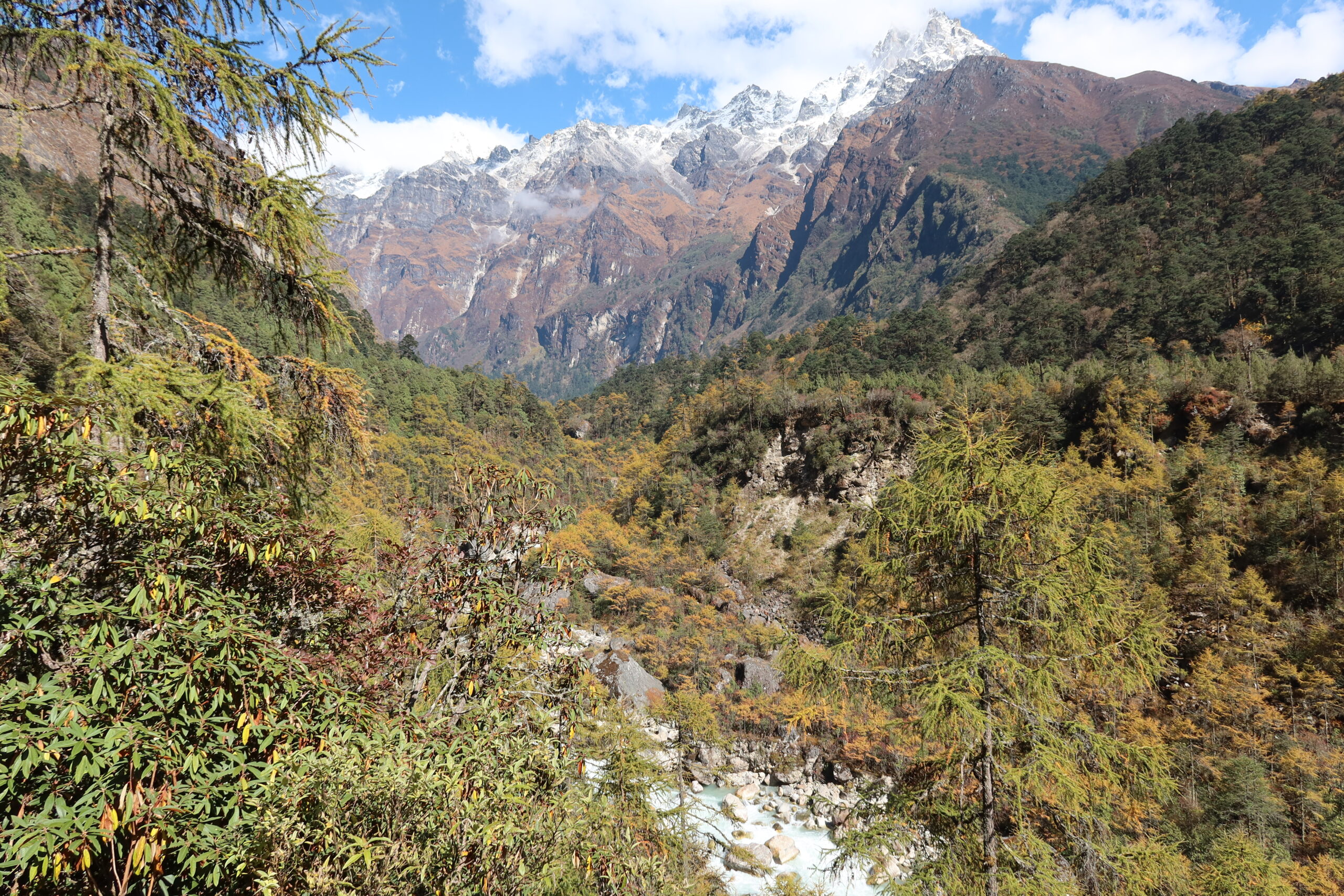
The trek starts from Suketham village at 1,600 m and goes all the way up to 5,160 m, the highest point of the trek. We can see different stages of vegetation along the route. Since it was October, people living below 2,500 m were harvesting large amounts of cardamom. According to local people, they sell this raw product to India, and at present, it is one of the major sources of income for people living in this region.As we move upward, vegetation changes after 3,000 m. Different flora and fauna appear, and the dense forest gradually becomes thinner. People living at higher altitudes mainly grow potatoes and maize, but these crops cannot be grown above 3,400 m.The Tamor River can be seen all the way up to Khambachen, which is extremely beautiful, clean, and serene
People, Culture, and Religion
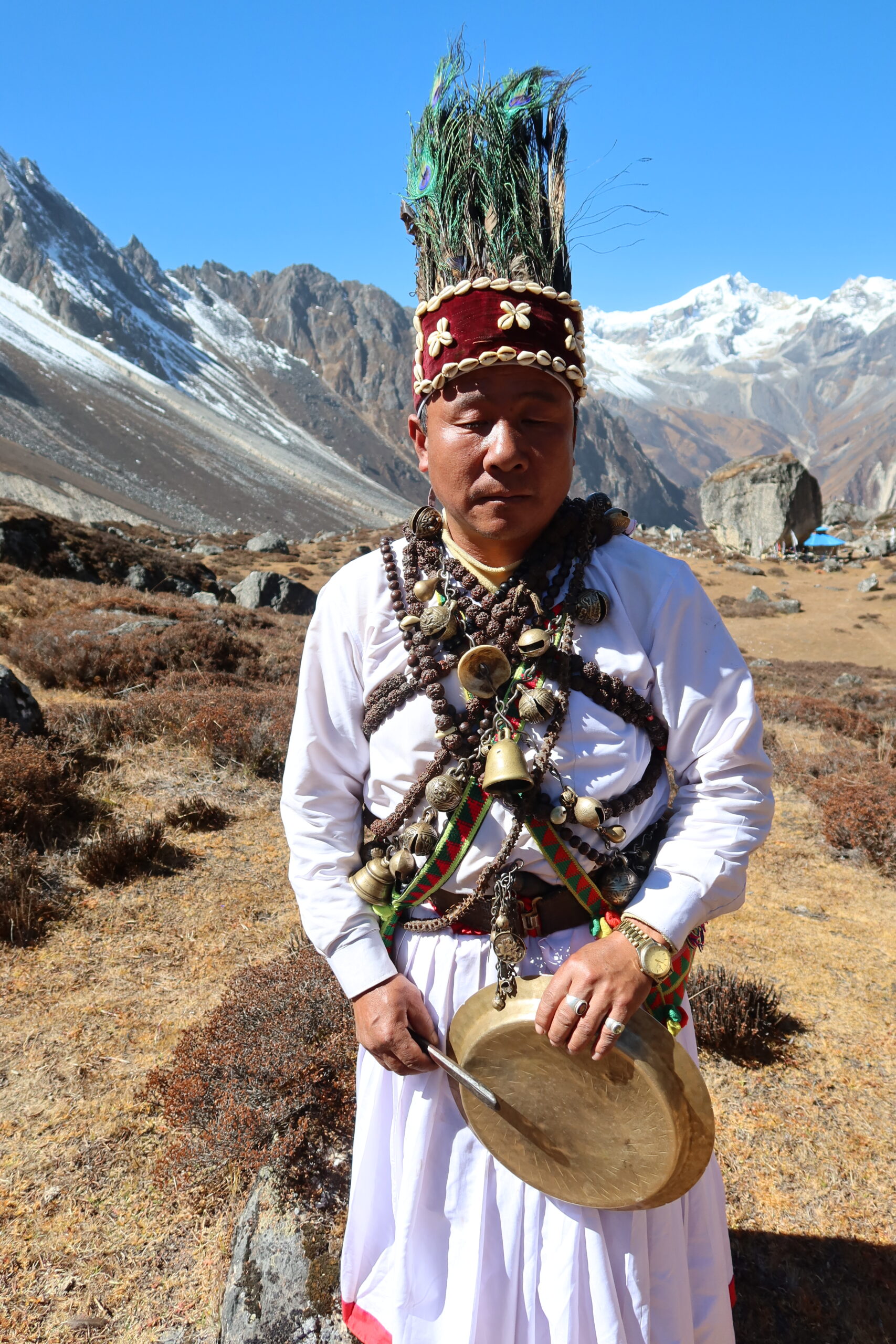
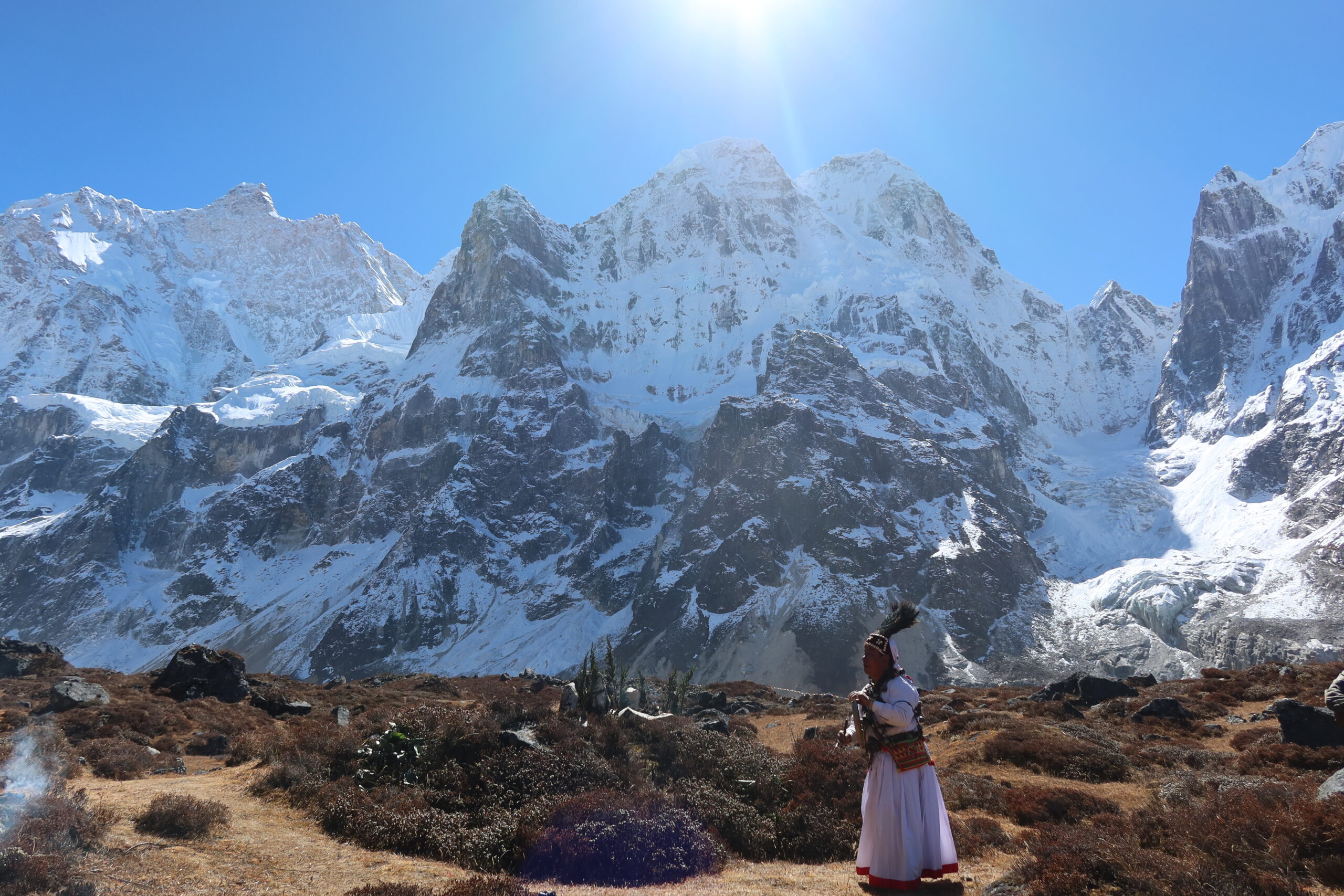
The people inhabiting the lower part of this trek are usually Rai and Limbu. Their main occupations are agriculture, livestock farming, and small businesses around the towns. They mainly follow Hinduism, while some practice Buddhism.As we move to higher altitudes, the people living there belong mostly to the Sherpa community, following Buddhism. Their major occupation is tourism, as they run tea houses, coffee shops, bakeries, and lodges for tourists visiting this region.While traveling in this region, we encountered a very special Pooja (ritual) that occurs only once every 12 years in the Rai/Limbu community. It was very interesting for us to witness. The main objective of this event is to pray for their forefathers. We got the chance to experience this event during our rest day in Khambachen.
Food During the Trek
Throughout the trek, the food was excellent, and there were no complaints at all. In some lodges, the owners cooked fresh potatoes directly harvested from their land, which was a very warm and welcoming gesture.
Lifestyle
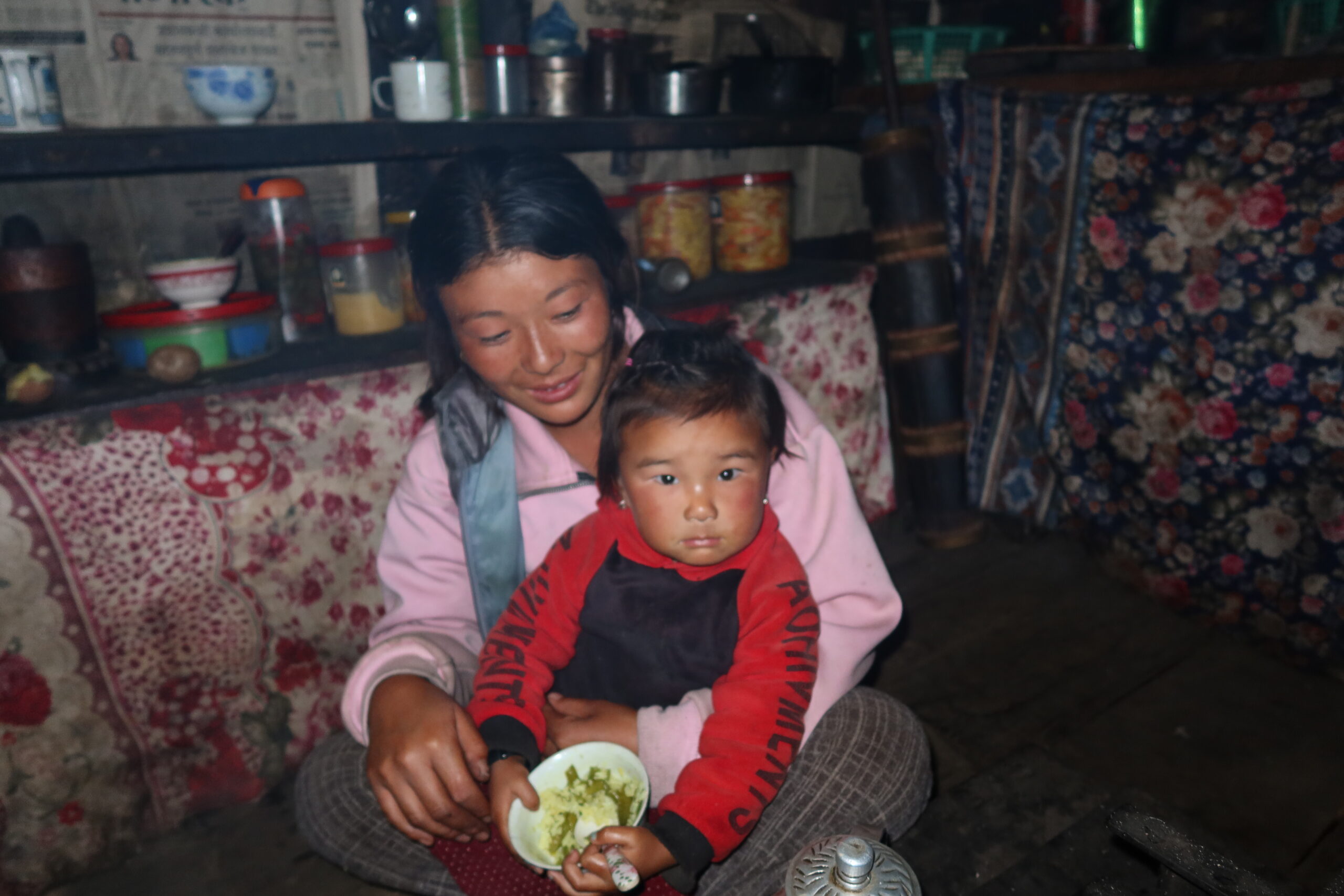
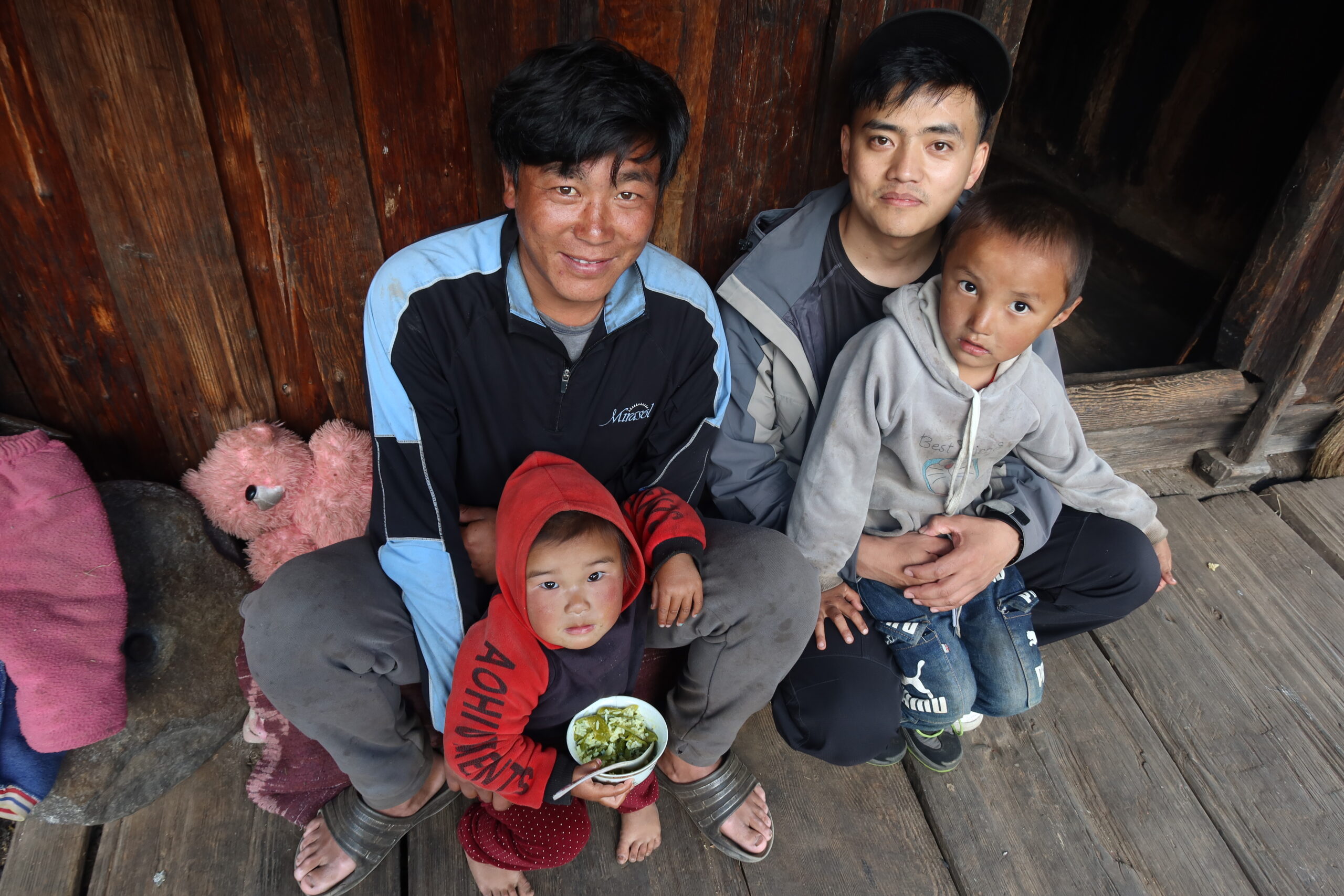
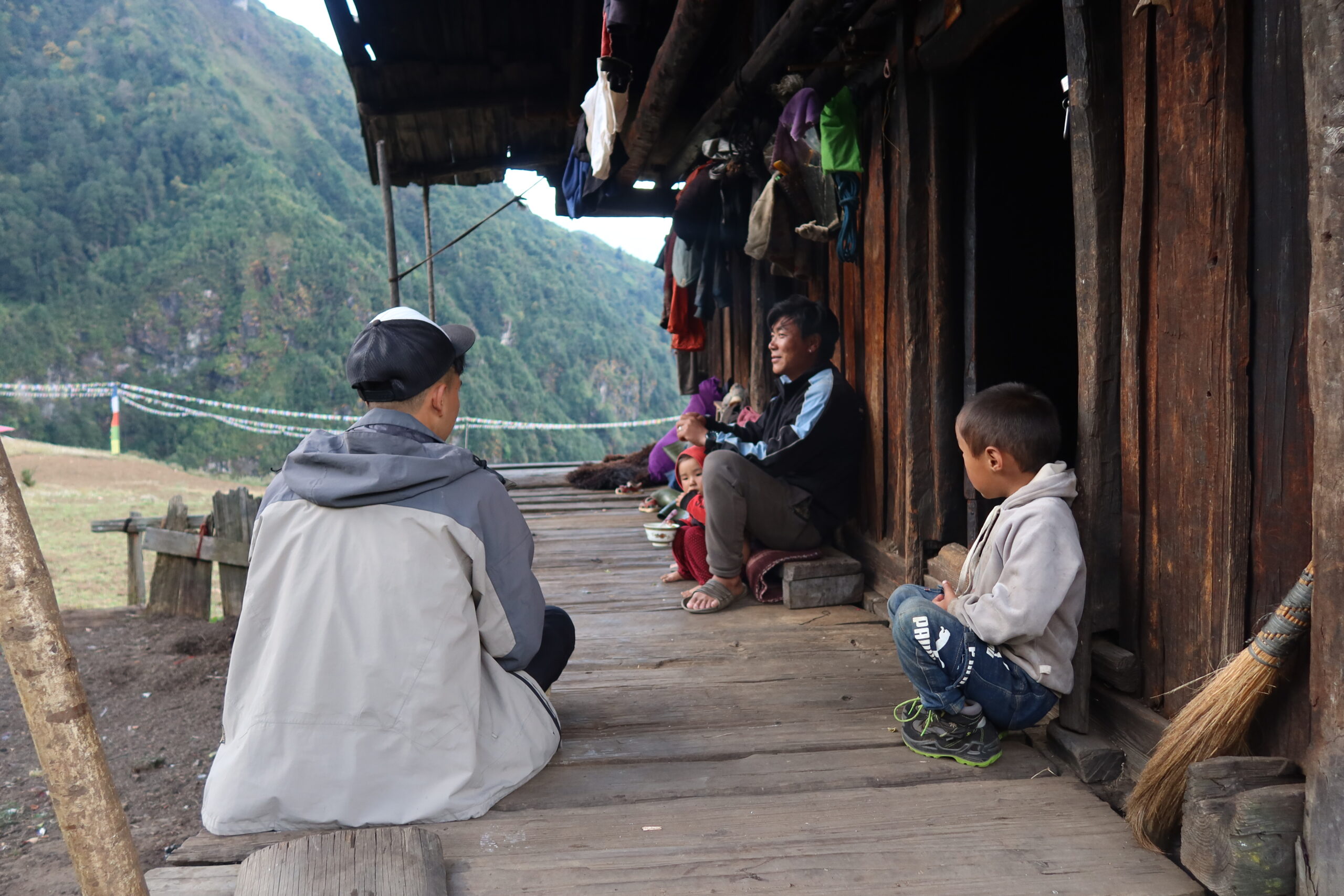
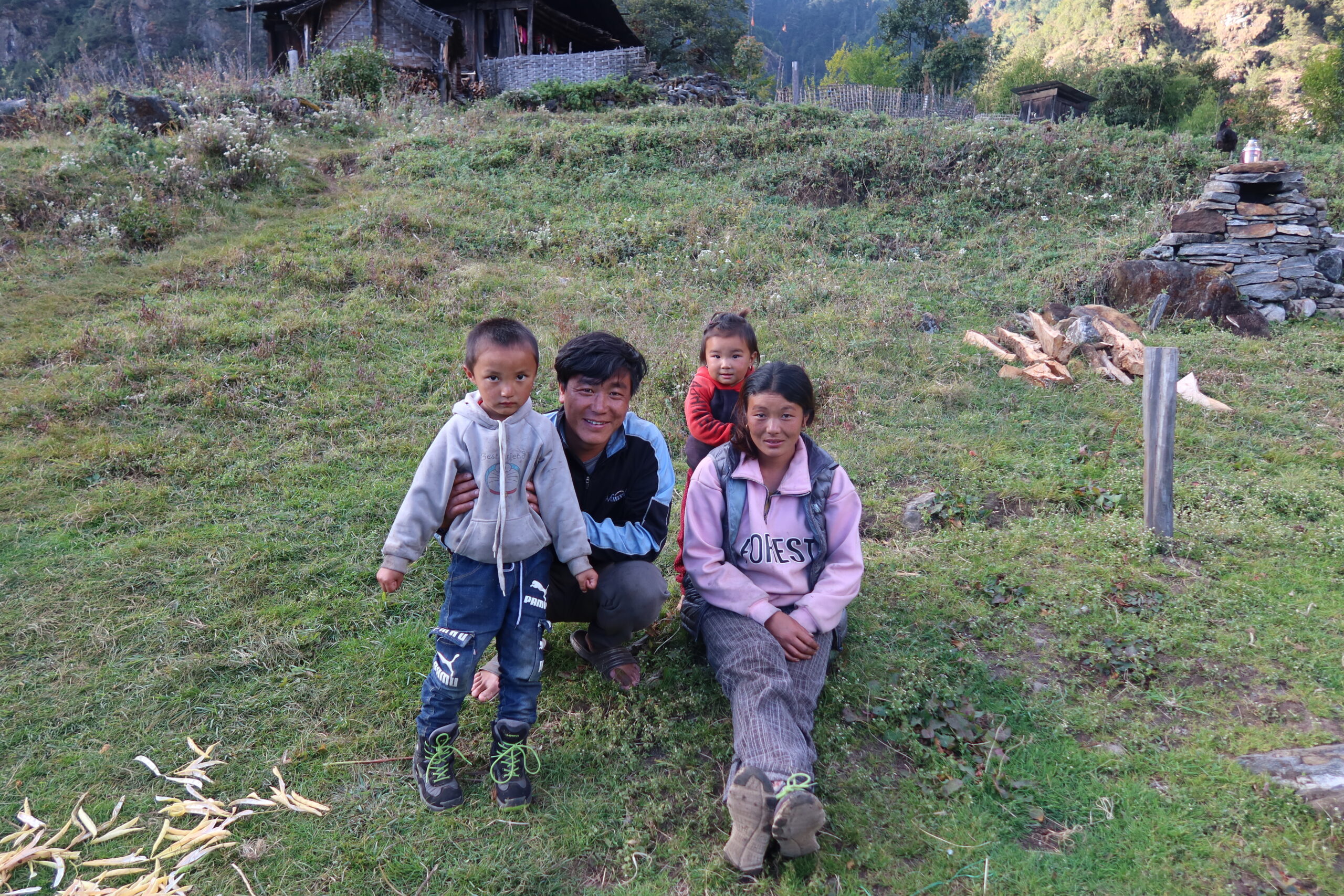
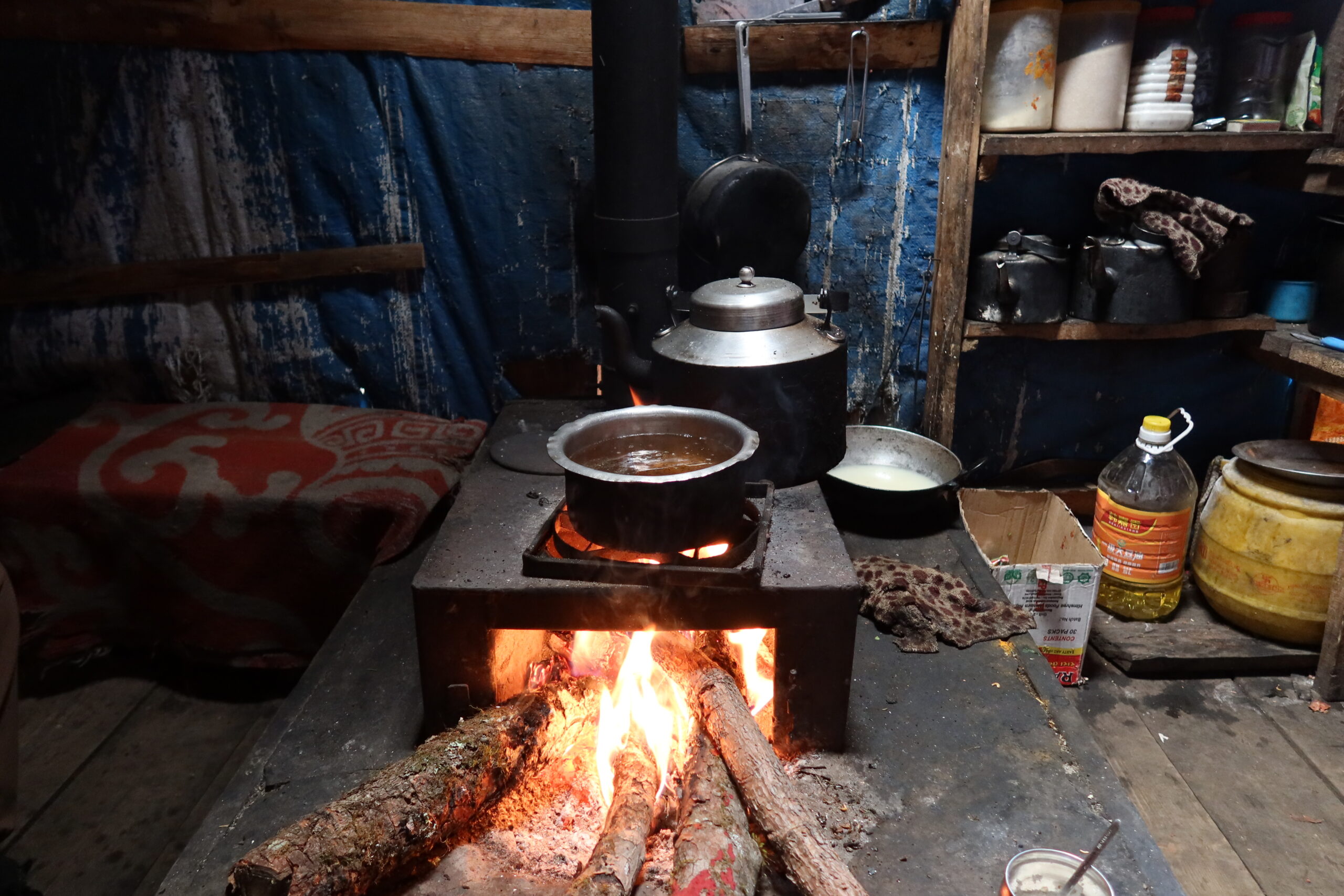
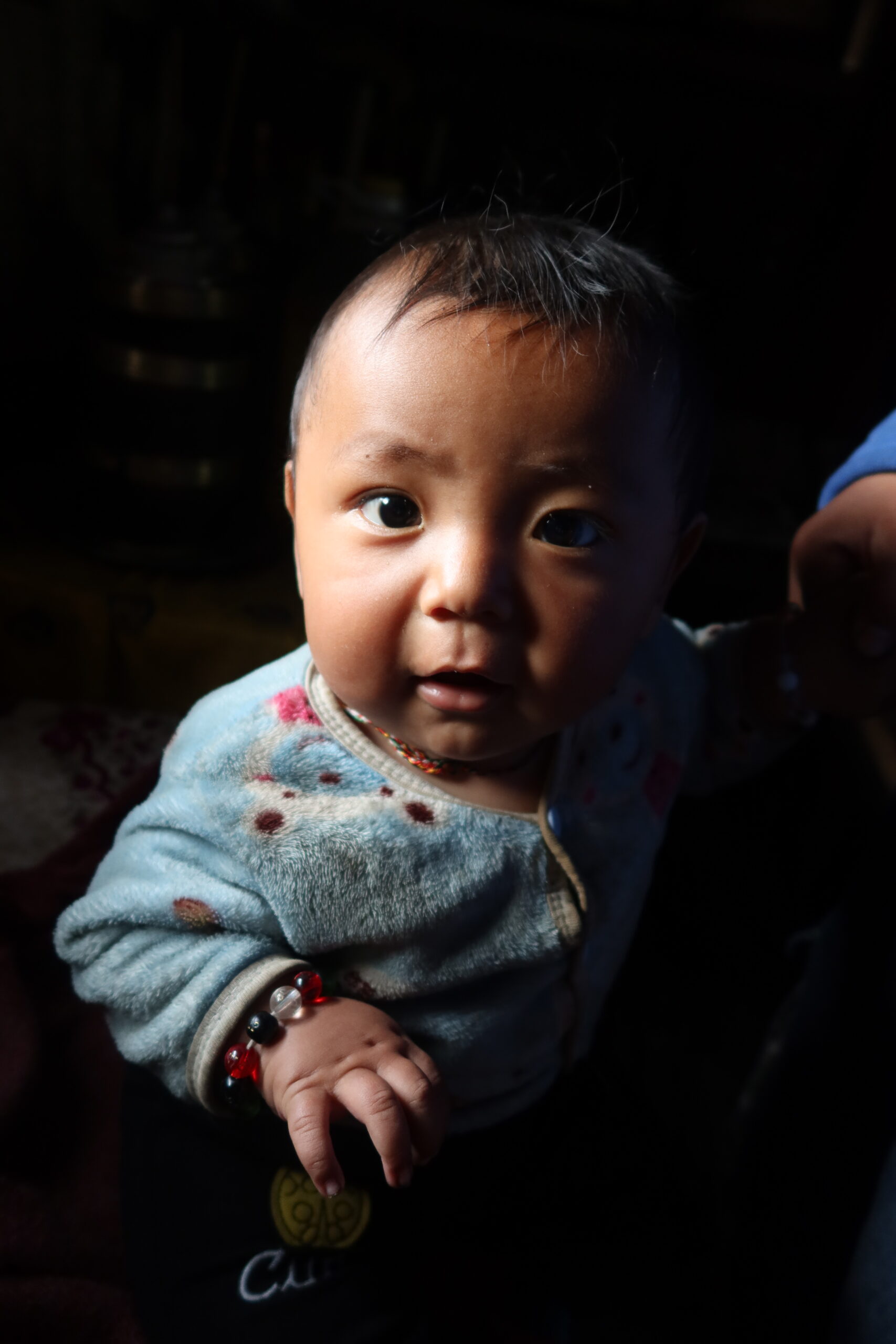
The lifestyle of people living in the Kanchanjunga region is very simple. Those running tea houses and lodges stay busy during the tourist season. People involved in farming are busy with harvesting and cultivating crops grown on their land.Besides this, some families operate tea houses and lodges, while others keep a large number of livestock. These animals are used for farming, meat, transportation, and dairy products.On the third day of our trek, we met a local couple living in Gyabla. They told us that the man of the house sometimes goes to the China border to bring groceries like oil and other long-lasting items. He mentioned that some grocery products there are of better quality and cheaper than those in Nepal. They don’t do this often, but only when they travel to the border area.
Ascent, Descent, and Distance
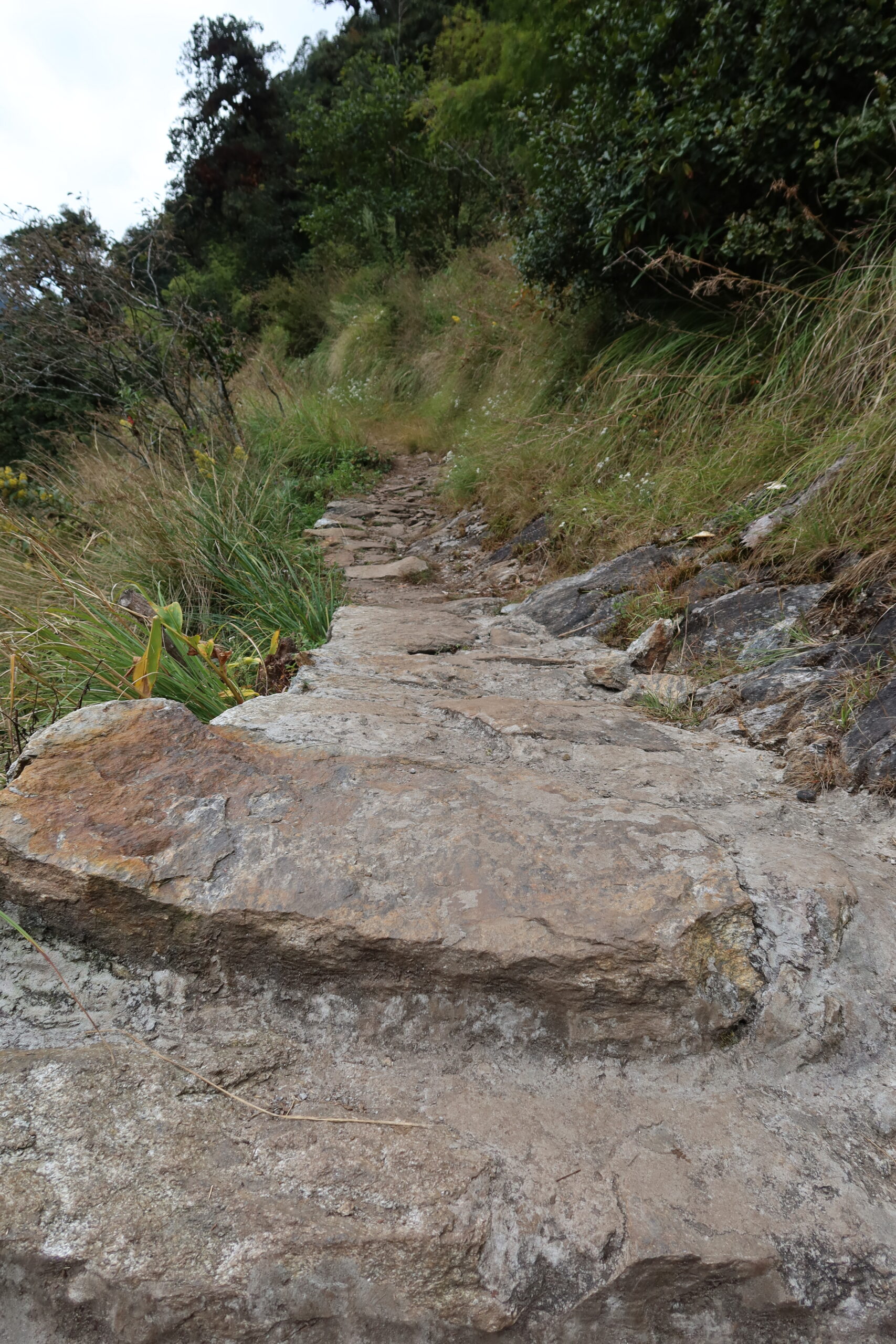
As mentioned earlier, the Kanchanjunga trek is challenging and demands good physical fitness. On average, we ascend 400–600 m per day, and sometimes even more. There are also significant descents along the way. Daily walking distances range from 8 km to 12 km, but as we go higher, we hike shorter distances to properly acclimatize.
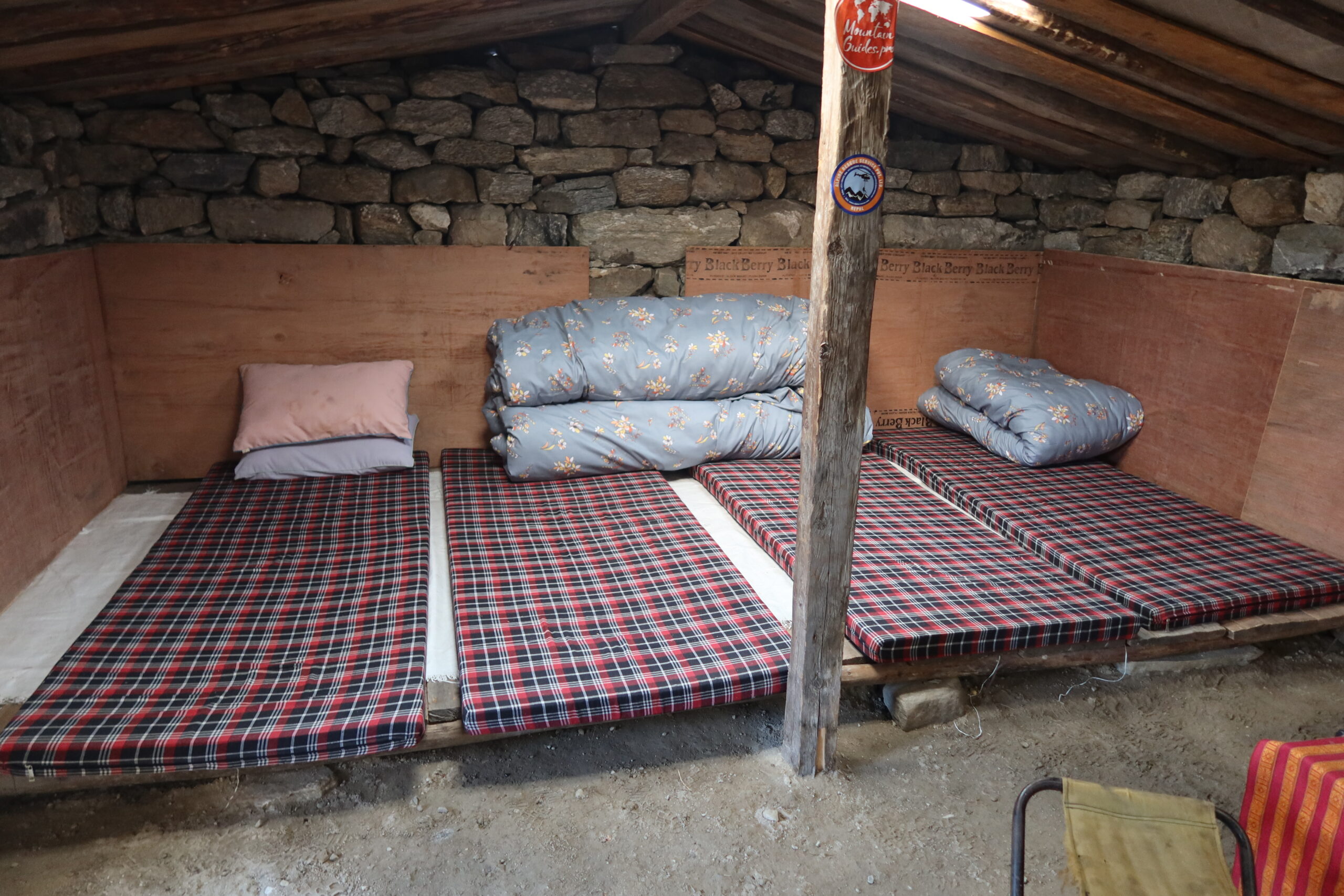
Lodges Where We Stayed During the Trek
- Sekathum Itahari Guest House – 9862779727 / 9863719555
- Chirring Keepa Guest House, Amjilosa
- Namaste Lodge, Gyabla
- Jannu Guest House, Ghunsa
- White House, Khambachen
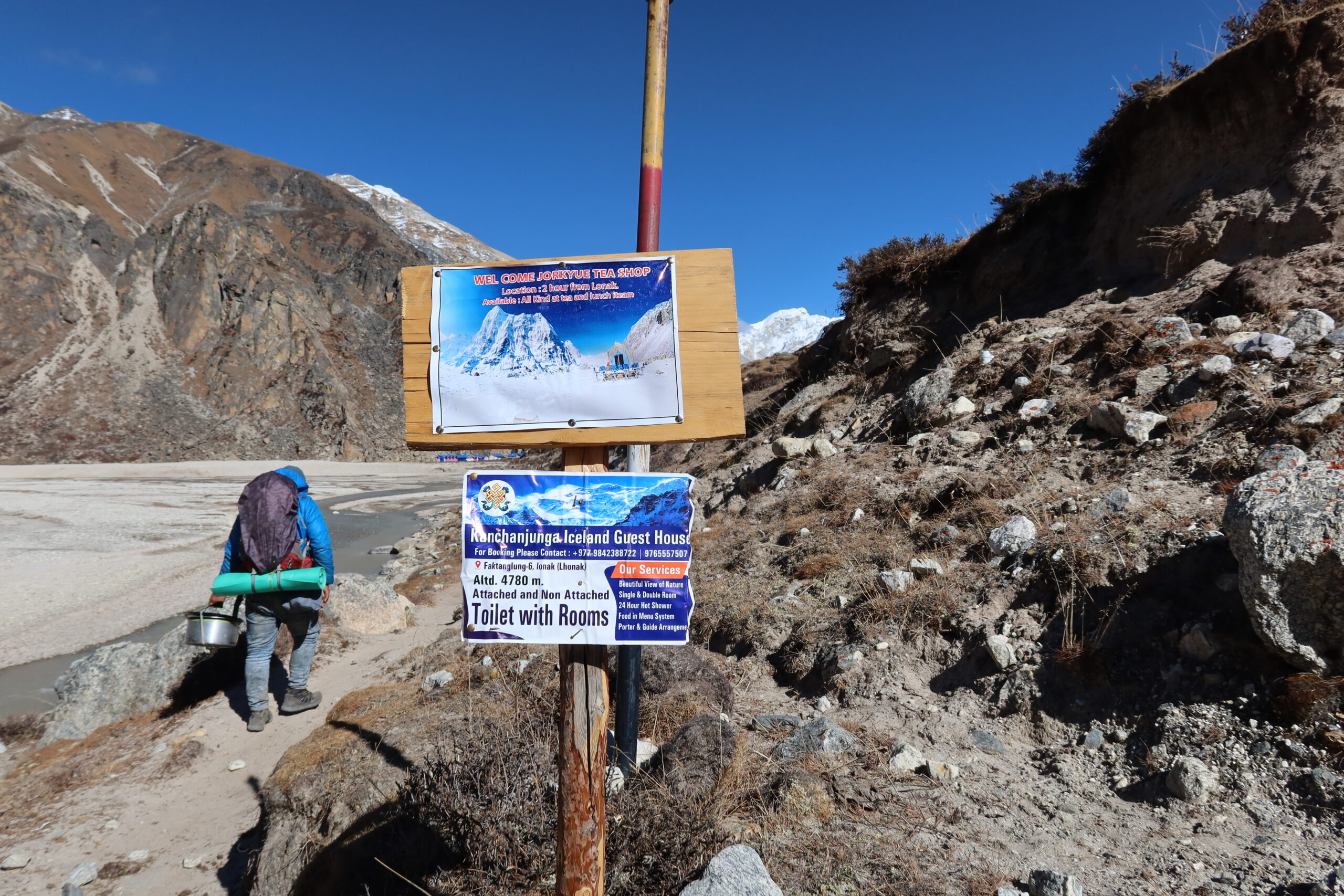
- Lhonak Guest House, Lhonak